

Insights Redraw
Redraw Updates and Trends
What's new in AI for architectural visualization.



AI for SketchUp: 10 Plugins and Tools Every Architect Needs in 2026

AI for SketchUp in 2026: the 10 plugins and tools every architect needs. From modeling to photorealistic rendering in 30 seconds.

SketchUp is the most popular modeling software among architects in Brazil and worldwide. Easy to learn, fast to use, and with a plugin ecosystem that lets you do practically anything. But SketchUp alone has limitations. It's through plugins and external tools that it transforms from a "massing software" into a complete professional tool.
In 2026, AI entered this ecosystem with force. And the best part: the most powerful AI tool for SketchUp is not a plugin. It's easier than one. But before we get there, let's cover the essential plugins every architect should know.
Modeling plugins: SketchUp at its best
These plugins solve native SketchUp limitations and give you more control over modeling.
1. Curviloft
SketchUp struggles with organic shapes. Complex curves, flowing roofs, facades with non-linear geometry. Curviloft solves this. It creates surfaces from curves, smooth transitions between different profiles, and shapes that native SketchUp simply cannot produce. For architects designing contemporary buildings with curves, it's indispensable.
Free.
2. SubD (Subdivision Surfaces)
SubD adds subdivision modeling to SketchUp. You create a simple shape (low-poly) and the plugin smooths it in real time, generating complex organic surfaces. The trick is that you work on the simple model (fast and lightweight) and switch to the smoothed version when you need to see the result. Keeps the file light while allowing advanced geometries.
Paid (~$39).
3. Profile Builder
Creates custom profiles (baseboards, moldings, channels, metal profiles) and applies them along any path. Instead of manually modeling each detail, you define the profile once and the plugin extrudes it wherever you need. Saves hours in detailing work.
Paid (~$49).
4. Skatter 2
The most powerful scatter plugin for SketchUp. Vegetation, street furniture, stones, tiles — any object that needs to be repeated at scale. Skatter distributes objects across surfaces with control over density, random rotation, and region exclusion. It turns landscaping and urban scenes that would take hours into minutes.
Paid (~$69).
5. CleanUp³
Models imported from DWG, Revit, or other software arrive in SketchUp full of unnecessary geometry. Duplicate faces, stray edges, repeated materials. CleanUp clears everything automatically. Reduces file size, improves performance, and prevents problems at render time.
Free.
6. Solid Inspector²
Before exporting for 3D printing or any boolean operation, the model needs to be solid. Solid Inspector checks and automatically fixes geometry issues: reversed faces, internal edges, holes. It's the "doctor" for your model.
Free.
7. PlaceMaker
Draw a rectangle on the map and PlaceMaker imports 3D terrain, surrounding buildings, satellite imagery, and elevation data. It does in 2 minutes what would take a full day of manually modeling urban context. For site studies and shadow analysis, it's transformative.
Paid (~$100/year).
8. Skalp
Generates sections and elevations with hatching directly in SketchUp. For those who need technical drawings without leaving the software, Skalp creates sections with material patterns (concrete, earth, insulation) that update automatically when the model changes.
Paid (~$59).
AI plugins for SketchUp: what exists (and what's missing)
9. Redraw: the AI tool that isn't a plugin (and is better than one)
Redraw is not a SketchUp plugin. Nothing needs to be installed. And that's exactly why it works better.
The workflow is simple: take a screenshot of the 3D view in SketchUp, open Redraw in your browser, upload the image, and in 20 to 40 seconds receive a photorealistic render. Works with any version of SketchUp (Free, Go, Pro). No plugin compatibility required. No file weight added. No crashes.
AI plugins like SketchUp AI Render and Veras need to read the 3D geometry of the model, which creates version dependency, compatibility problems, and technical limitations. Redraw skips all of that. It works with the visual image of the model — which is what the AI actually needs.
And the result is superior. Redraw has proprietary models trained for architecture that understand materiality, natural lighting, and proportion. It's not generic AI with an architecture skin. These are models that know the difference between porcelain tile flooring and a wood deck, between sunset light and artificial lighting.
Inside Redraw, beyond the proprietary model, you access ChatGPT optimized for rendering, optimized Gemini, Nano Banana. You can generate project video (proprietary tool + Veo 3 + Kling AI). You can generate 3D objects to import back into SketchUp. You can enhance existing renders with Enhance Render.
It's more than any plugin offers. And easier to use.
Why "not being a plugin" is an advantage
It may seem counterintuitive. If Redraw were a SketchUp plugin, you could click directly from the software. But in practice, plugins create problems:
They depend on the SketchUp version. Update SketchUp and the plugin stops working until an update is released.
They weigh on the model. Render plugins add processing that makes SketchUp slower.
They limit use to one software. If tomorrow you model something in Revit or ArchiCAD, the SketchUp plugin is useless.
Redraw works with any software, on any machine, anywhere. Took a screenshot? Render it. Doesn't matter if it came from SketchUp Free on a Chromebook or SketchUp Pro on a workstation.
The complete SketchUp architect toolkit for 2026
| Function | Tool | Type | Cost |
|---|---|---|---|
| Organic shapes | Curviloft | Free plugin | Free |
| Subdivision | SubD | Paid plugin | ~$39 |
| Custom profiles | Profile Builder | Paid plugin | ~$49 |
| Scatter (vegetation) | Skatter 2 | Paid plugin | ~$69 |
| Model cleanup | CleanUp³ | Free plugin | Free |
| Solid verification | Solid Inspector² | Free plugin | Free |
| Urban context | PlaceMaker | Paid plugin | ~$100/year |
| Sections with hatching | Skalp | Paid plugin | ~$59 |
| AI render + video + 3D | Redraw | Web platform | $15/month |
Frequently asked questions
What is the best AI plugin for SketchUp?
Redraw is not a plugin but delivers superior results: photorealistic render in 30 seconds, nothing to install, with proprietary models trained for architecture.
Does Redraw work with SketchUp Free?
Yes. Since Redraw works with a screenshot of the model, it works with any version of SketchUp, including Free, Go, and Pro. No plugin or specific version required.
Which SketchUp plugins are free?
Curviloft, CleanUp³, and Solid Inspector² are free and essential.
Does Redraw generate 3D objects for SketchUp?
Yes. Redraw has a proprietary 3D object generation model that can be imported directly into SketchUp. Furniture, vegetation, lighting fixtures — any element missing from your library.
Is it worth paying for SketchUp plugins?
It depends on your workflow. SubD, Skatter, and PlaceMaker pay off the investment within a few weeks of use. For rendering, there's no point investing in a paid plugin when Redraw delivers more for $15/month with no installation.
Try Redraw → redraw.pro

Redraw Trends
Featured articles
AI for SketchUp: 10 Plugins and Tools Every Architect Needs in 2026



SketchUp is the most popular modeling software among architects in Brazil and worldwide. Easy to learn, fast to use, and with a plugin ecosystem that lets you do practically anything. But SketchUp alone has limitations. It's through plugins and external tools that it transforms from a "massing software" into a complete professional tool.
In 2026, AI entered this ecosystem with force. And the best part: the most powerful AI tool for SketchUp is not a plugin. It's easier than one. But before we get there, let's cover the essential plugins every architect should know.
Modeling plugins: SketchUp at its best
These plugins solve native SketchUp limitations and give you more control over modeling.
1. Curviloft
SketchUp struggles with organic shapes. Complex curves, flowing roofs, facades with non-linear geometry. Curviloft solves this. It creates surfaces from curves, smooth transitions between different profiles, and shapes that native SketchUp simply cannot produce. For architects designing contemporary buildings with curves, it's indispensable.
Free.
2. SubD (Subdivision Surfaces)
SubD adds subdivision modeling to SketchUp. You create a simple shape (low-poly) and the plugin smooths it in real time, generating complex organic surfaces. The trick is that you work on the simple model (fast and lightweight) and switch to the smoothed version when you need to see the result. Keeps the file light while allowing advanced geometries.
Paid (~$39).
3. Profile Builder
Creates custom profiles (baseboards, moldings, channels, metal profiles) and applies them along any path. Instead of manually modeling each detail, you define the profile once and the plugin extrudes it wherever you need. Saves hours in detailing work.
Paid (~$49).
4. Skatter 2
The most powerful scatter plugin for SketchUp. Vegetation, street furniture, stones, tiles — any object that needs to be repeated at scale. Skatter distributes objects across surfaces with control over density, random rotation, and region exclusion. It turns landscaping and urban scenes that would take hours into minutes.
Paid (~$69).
5. CleanUp³
Models imported from DWG, Revit, or other software arrive in SketchUp full of unnecessary geometry. Duplicate faces, stray edges, repeated materials. CleanUp clears everything automatically. Reduces file size, improves performance, and prevents problems at render time.
Free.
6. Solid Inspector²
Before exporting for 3D printing or any boolean operation, the model needs to be solid. Solid Inspector checks and automatically fixes geometry issues: reversed faces, internal edges, holes. It's the "doctor" for your model.
Free.
7. PlaceMaker
Draw a rectangle on the map and PlaceMaker imports 3D terrain, surrounding buildings, satellite imagery, and elevation data. It does in 2 minutes what would take a full day of manually modeling urban context. For site studies and shadow analysis, it's transformative.
Paid (~$100/year).
8. Skalp
Generates sections and elevations with hatching directly in SketchUp. For those who need technical drawings without leaving the software, Skalp creates sections with material patterns (concrete, earth, insulation) that update automatically when the model changes.
Paid (~$59).
AI plugins for SketchUp: what exists (and what's missing)
9. Redraw: the AI tool that isn't a plugin (and is better than one)
Redraw is not a SketchUp plugin. Nothing needs to be installed. And that's exactly why it works better.
The workflow is simple: take a screenshot of the 3D view in SketchUp, open Redraw in your browser, upload the image, and in 20 to 40 seconds receive a photorealistic render. Works with any version of SketchUp (Free, Go, Pro). No plugin compatibility required. No file weight added. No crashes.
AI plugins like SketchUp AI Render and Veras need to read the 3D geometry of the model, which creates version dependency, compatibility problems, and technical limitations. Redraw skips all of that. It works with the visual image of the model — which is what the AI actually needs.
And the result is superior. Redraw has proprietary models trained for architecture that understand materiality, natural lighting, and proportion. It's not generic AI with an architecture skin. These are models that know the difference between porcelain tile flooring and a wood deck, between sunset light and artificial lighting.
Inside Redraw, beyond the proprietary model, you access ChatGPT optimized for rendering, optimized Gemini, Nano Banana. You can generate project video (proprietary tool + Veo 3 + Kling AI). You can generate 3D objects to import back into SketchUp. You can enhance existing renders with Enhance Render.
It's more than any plugin offers. And easier to use.
Why "not being a plugin" is an advantage
It may seem counterintuitive. If Redraw were a SketchUp plugin, you could click directly from the software. But in practice, plugins create problems:
They depend on the SketchUp version. Update SketchUp and the plugin stops working until an update is released.
They weigh on the model. Render plugins add processing that makes SketchUp slower.
They limit use to one software. If tomorrow you model something in Revit or ArchiCAD, the SketchUp plugin is useless.
Redraw works with any software, on any machine, anywhere. Took a screenshot? Render it. Doesn't matter if it came from SketchUp Free on a Chromebook or SketchUp Pro on a workstation.
The complete SketchUp architect toolkit for 2026
| Function | Tool | Type | Cost |
|---|---|---|---|
| Organic shapes | Curviloft | Free plugin | Free |
| Subdivision | SubD | Paid plugin | ~$39 |
| Custom profiles | Profile Builder | Paid plugin | ~$49 |
| Scatter (vegetation) | Skatter 2 | Paid plugin | ~$69 |
| Model cleanup | CleanUp³ | Free plugin | Free |
| Solid verification | Solid Inspector² | Free plugin | Free |
| Urban context | PlaceMaker | Paid plugin | ~$100/year |
| Sections with hatching | Skalp | Paid plugin | ~$59 |
| AI render + video + 3D | Redraw | Web platform | $15/month |
Frequently asked questions
What is the best AI plugin for SketchUp?
Redraw is not a plugin but delivers superior results: photorealistic render in 30 seconds, nothing to install, with proprietary models trained for architecture.
Does Redraw work with SketchUp Free?
Yes. Since Redraw works with a screenshot of the model, it works with any version of SketchUp, including Free, Go, and Pro. No plugin or specific version required.
Which SketchUp plugins are free?
Curviloft, CleanUp³, and Solid Inspector² are free and essential.
Does Redraw generate 3D objects for SketchUp?
Yes. Redraw has a proprietary 3D object generation model that can be imported directly into SketchUp. Furniture, vegetation, lighting fixtures — any element missing from your library.
Is it worth paying for SketchUp plugins?
It depends on your workflow. SubD, Skatter, and PlaceMaker pay off the investment within a few weeks of use. For rendering, there's no point investing in a paid plugin when Redraw delivers more for $15/month with no installation.
Try Redraw → redraw.pro
AI for Revit: How to Render BIM Projects with Artificial Intelligence in 2026
Revit is the most complete modeling software for architecture. That is not an opinion. It is the global BIM market standard. The amount of information a Revit model carries — precise geometry, assigned materials, construction data, dimensions, quantities — has no equivalent in any other software.
And it is precisely that richness of information that makes Revit excellent for AI rendering.
A well-built 3D model in Revit, when used as a base for AI, delivers superior results compared to SketchUp. The geometry is more precise, materials are already defined in the project, and views are generated with technical accuracy. The AI receives an image with more context, more detail, and consequently produces a better render.
The problem was never Revit. The problem is what comes after.
Revit's bottleneck: rendering
Revit models like nothing else. But rendering inside Revit is painful. The native engine is limited and slow. Most professionals turn to plugins (V-Ray for Revit, Enscape for Revit) or export to other software.
Each of these options adds cost, complexity, and time:
V-Ray for Revit costs $540/yr. It demands powerful hardware and hours of configuration per render. The result is excellent if you master it, but the learning curve is long and time is short.
Enscape for Revit costs $575/yr. It is faster to render but results look generic. Photorealism in materials and lighting is lacking.
Exporting to Lumion or D5 Render adds yet another step (and another license). The file must be exported, imported, reconfigured. Materials are lost in conversion. It is rework.
In the end, the professional who uses Revit spends more time trying to render than modeling. The software that produces the best 3D model on the market is the one that suffers most when it comes to generating images.
Revit + Redraw: the perfect model meets the perfect render
With Redraw, the workflow changes completely. You take a screenshot of the 3D view in Revit and upload it to Redraw. In 20 to 40 seconds, the AI generates a photorealistic render.
No plugin. No export. No material configuration. No waiting 2 hours for a render.
And the result is better than most renders produced with V-Ray or Enscape by professionals who do not have time to configure everything perfectly. Because Redraw's AI was trained to understand architectural context: it identifies materials by appearance, applies realistic natural lighting, and preserves the exact geometry of the model.
If the Revit model is well optimized (and we will cover how to optimize it shortly), the AI render surpasses what SketchUp delivers. Because Revit generates cleaner views, with more defined geometry, and the AI can interpret them with greater precision.
How to optimize your Revit model for AI rendering
Not every screenshot produces an excellent result. The model needs to be presentable. Some practical tips:
Use a realistic 3D view, not wireframe. The AI interprets what it sees. If the view has edge lines, axes, and annotations, the render will reflect that. Enable Realistic or Shaded mode in Revit before taking the screenshot.
Position the camera as you would in a real photo. Eye level (1.50 m to 1.70 m for interiors), natural angle, no excessive distortion. The AI delivers better results when the perspective feels human.
Keep materials assigned. Revit allows you to assign materials to each element. Even if they are not fully renderable materials, the visual information they provide in the 3D view helps the AI interpret what is floor, wall, glass, wood.
Clean up the view. Hide elements that are not part of the scene: piping, exposed structure (if not intentional), grid lines. The cleaner the screenshot, the better the result.
Use full-screen resolution. Take the screenshot at the maximum monitor resolution. More pixels = more information for the AI.
With an optimized model, Revit delivers the best possible base for AI rendering. Better than SketchUp (more precise geometry), better than ArchiCAD (more configurable views), and much better than exports to other software that lose information along the way.
The complete workflow: Revit + Redraw at every project phase
Phase 1: Concept
The project is just beginning. Mass studies, massing, initial site placement. You have a basic Revit model and need to show the client how the project is progressing.
With Redraw, take a screenshot of the massing and generate a quick render. The client sees the project volume with realistic materiality and lighting. In 30 seconds. Without spending hours on a render that will change next week.
Want to explore styles? Use Redraw's idea generation. Brutalist, contemporary, tropical facade. Generate variations in seconds and align direction with the client before developing further.
Phase 2: Design Development
The model is advanced. Materials defined, spaces detailed, lighting considered. Now you need quality renders to validate with the client and make final adjustments.
Screenshot of the Revit 3D view, upload to Redraw, render in 30 seconds. The client asks for wood flooring instead of porcelain tile? Another 30 seconds. Prefers black frames instead of white? Another 30 seconds. In 10 minutes you have generated 15 variations that in the traditional workflow would take 2 days.
Phase 3: Client Presentation
Project approved — time to present with final quality. Facade renders, interiors, aerial perspectives. Material for the commercial proposal, portfolio, and social media.
Render in Redraw at maximum quality. Use Enhance Render to refine details. Generate a project video with Redraw's video tool (proprietary model, Veo 3, or Kling AI). Generate 3D objects missing from the model and import them into SketchUp/Revit.
Complete deliverable. One platform. One subscription.
Frequently Asked Questions
Do I need a plugin to use AI with Revit?
No. Redraw works through the browser. You take a screenshot of the Revit 3D view and upload it to the platform. No plugin to install, no file to export, no integration required.
Is a Revit model good for AI rendering?
Excellent. Revit generates precise geometry with assigned materials. When well optimized, a Revit screenshot delivers superior results to SketchUp for Revit AI rendering, because the AI receives more context and more detail.
Does Redraw replace V-Ray for Revit?
For the vast majority of everyday renders (presentations, variations, portfolio), yes. V-Ray retains an advantage only in scenarios requiring absolute control of every parameter. For everything else, Redraw is faster, cheaper, and the result is professional.
Can I render Revit sections and floor plans with AI?
Yes. Redraw accepts any image. If you generate a humanized section view or floor plan in Revit and upload it to Redraw, the AI can humanize and stylize it. Redraw has presets for humanized floor plans and architectural sections.
Does Revit run on Mac?
Not natively. Revit is Windows only. But BIM rendering AI with Redraw works on any system. You can model on Windows with Revit and render on Mac, tablet, or mobile through Redraw.
Try Redraw → redraw.pro
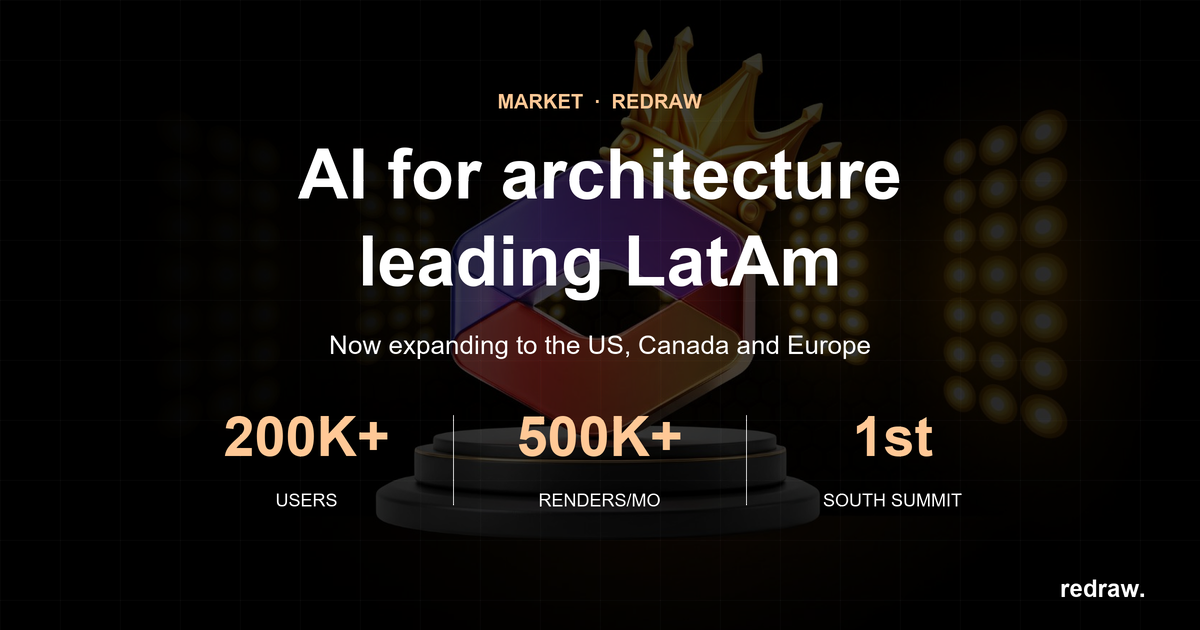
The AI for Architecture Leading Latin America Now Expanding to the US and Europe
Latin America is producing the world's largest AI rendering revolution. And Brazil is leading it.
While American and European companies try to adapt generic AIs to architecture, a Brazilian startup built from scratch the largest AI platform specialized in rendering for architects, engineers, and interior designers on the planet. With more than 200,000 registered users, over 500,000 renders generated per month, and a presence in dozens of countries.
The name is Redraw. If you work with architecture in Latin America — or anywhere in the world — and don't know it yet, this article explains why you should.
The numbers that position Redraw as the best AI rendering platform for architecture in Latin America
200,000 registered professionals. The majority are in Brazil, with accelerating expansion to Mexico, Colombia, Argentina, Chile, Peru, and English-speaking markets (US, Canada, Europe).
More than 500,000 renders per month. That is more than any other AI platform focused on architecture in the world produces. And the volume grows every month.
Platform in 3 languages. Portuguese, English, and Spanish. Native websites, support, and content in each language. Not automatic translation. Local operation.
Team of AI specialists. Proprietary models trained exclusively for architecture, engineering, and interior design. Constantly updated. Results that, in benchmarks, surpass any generic AI in project fidelity.

South Summit 2026: global recognition
In March 2026, Redraw won South Summit in Porto Alegre in the Digital and Tech Solutions category. South Summit is one of the largest global platforms connecting startups, investors, and major corporations. The Brazilian edition had more than 23,000 participants, around 3,000 startups registered, and 130 investment funds.
More than 2,000 companies entered globally. Only 50 reached the final, split across 5 categories. Redraw took the prize.
This recognition is not just a trophy. It is validation that the problem Redraw solves — accessible, fast, and faithful rendering for project professionals — has global relevance. And that the solution came from Latin America.
Why no competitor dominates Latin America
Redraw's main global competitors are American, European, and Chinese companies: Veras (Chaos Group, based in Bulgaria/US), LookX (China), Rendair (Turkey), ArchiVinci (US). None of them have a strong presence in Portuguese or Spanish.
They have no PT-BR support. They do not understand the particularities of the Latin American market. They do not know that here, the professional often works alone, with a laptop, without a hardware budget, and needs to deliver fast because the client asked yesterday.
Redraw was born in that context. Built by people who understand the reality of Brazilian and Latin American architects. And that shows in everything: accessible price (from US$15/month), 100% cloud platform (works on any machine), support in Portuguese and Spanish, and educational content in all 3 languages.
While competitors charge US$30 to US$60/month for generic results, Redraw delivers more for less. Because it was built for this market.
The global expansion that starts from Brazil
Redraw started in Brazil and is expanding to the world: US, Canada, Europe, Middle East. International traction grows every month, driven by the quality of proprietary models and the recognition from South Summit 2026.
But the core remains Latin America. This is where the 200,000 professionals who validated the platform are. This is where daily feedback shapes every update. Redraw is not an American company trying to translate a product for Brazil. It is a Brazilian company taking the best AI for architecture to the world.
That matters. Because when a Latin American professional needs support, they speak with someone who understands the context. When they suggest a feature, it is considered. When they complain, they are heard. Not "ticket #47832 with a response in 72 hours in English."
Warning: beware of the generic AIs flooding the market
With the growth of the AI for architecture market, a serious problem has emerged: dozens of new tools that charge high prices for results that are not worth it.
What these tools do: they take the ChatGPT or Gemini API, put an interface on top, add an "AI for architecture" label, and charge $10 per 10 renders — $1 per image generated by an AI anyone can access directly through ChatGPT for free.
They have no proprietary model. They do not invest in architecture-specific training. They have no AI team. They are intermediaries reselling generic API with absurd markup.
The result is predictable: generic images that do not maintain project fidelity, without consistency, without control. The professional pays a lot, gets a bad result, and concludes that "AI for architecture doesn't work." It does work. It just doesn't work with an API reseller.
How to identify these tools:
Ask if the platform has proprietary models trained for architecture. If the answer is vague or they say they "use the best models on the market" without specifying which ones are theirs, it is API resale.
Look at the price per render. If they charge $1+ per image, that is exploitation. Redraw delivers 300 renders for US$15/month (less than $0.05 per render).
Test with your real project. If the AI changes geometry, invents windows, and alters proportions, the underlying model is generic. The packaging does not matter.
What Redraw delivers that generic platforms cannot
Proprietary models. Trained with millions of real images from architecture, engineering, and interior design projects. Not ChatGPT with a skin. Proprietary AI that understands architectural projects.
Optimized AI hub. ChatGPT, Gemini, and Nano Banana inside Redraw, all prepared by the team to deliver superior results for architecture. The ChatGPT inside Redraw is not the same ChatGPT you use on OpenAI's website.
Complete ecosystem. Photorealistic render in 30 seconds. Enhance Render. Video generation with a proprietary tool + Veo 3 + Kling AI. 3D object generation for SketchUp. Everything in one platform, for one subscription.
Fair price. From US$15/month with ~300 renders. Free trial with 10 credits, no credit card. No tricks, no credits that expire in 24 hours.
Real support. In Portuguese and Spanish. WhatsApp, email, live chat. People who understand architecture responding, not a generic bot.
Frequently asked questions
What is the best AI for architecture in Latin America?
Redraw is the largest AI platform for architecture in Latin America, with over 200,000 users and 500,000 monthly renders. It serves professionals in Brazil, Mexico, Argentina, Chile, Colombia, Peru, the US, and Europe. Winner of South Summit 2026 in the Digital and Tech Solutions category.
Is Redraw a Brazilian company?
Yes. Founded in Brazil, operating in Portuguese, English, and Spanish. The development, AI, and support team operates from Brazil, with international expansion. The company is headquartered in the United States.
Are generic AI tools for architecture a scam?
Not all, but many charge excessive prices ($1+ per render) to resell the ChatGPT or Gemini API without any proprietary training. Before subscribing, verify whether the platform has proprietary models trained specifically for architecture.
Does Redraw work in other countries in Latin America?
Yes. The platform is available in Portuguese, English, and Spanish, with an active presence in Mexico, the United States, Canada, Colombia, Argentina, Chile, Peru, and other countries. Support is available in all languages.
How much does Redraw cost?
From US$15/month with ~300 renders. Free trial with 10 credits, no credit card required. It is the AI architecture platform with the best value for money in Latin America — and increasingly competitive globally.
Try Redraw → redraw.pro
cadastre-se
Exclusive content directly in your email


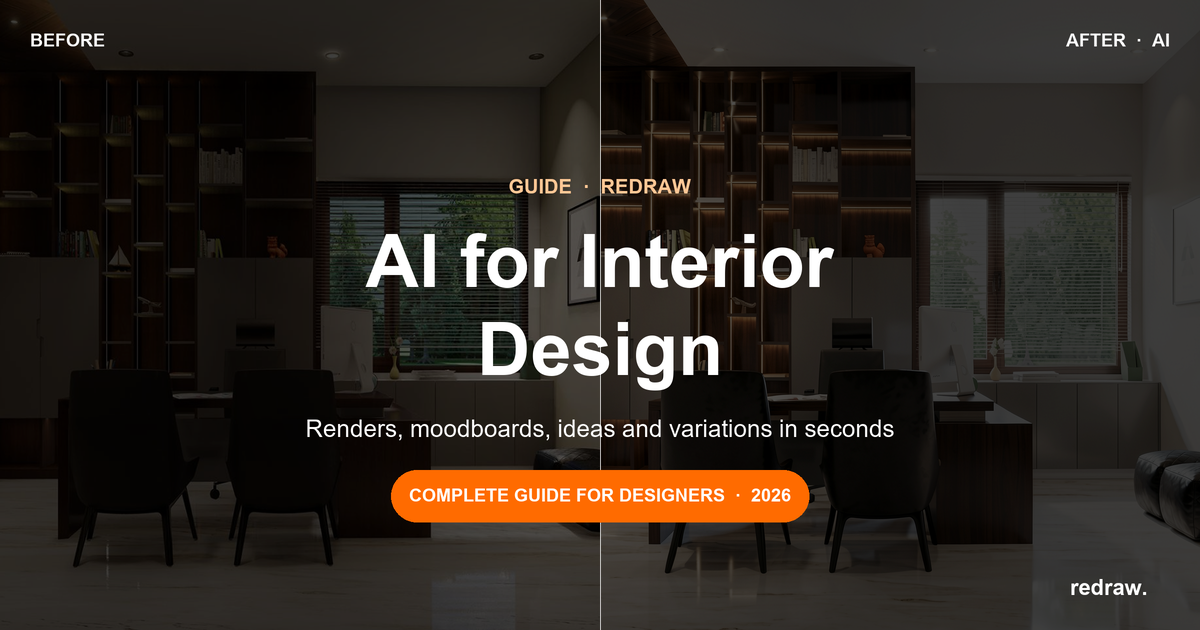
AI for Interior Design: Complete Guide for Designers in 2026
An interior designer's daily routine is a race against time. Client meeting in the morning, site visit at midday, and in the evening trying to finish that moodboard due tomorrow. On top of that, you still need to render 3 living room options, a kitchen, and the master suite. And the client wants to see "how it will look" before approving anything.
AI entered interior design to solve exactly that. Not to replace the designer's eye. To accelerate everything that gets stuck between the idea and the presentation.
What interior designers actually need from AI
Unlike architects focused on facades, structure, and site planning, interior designers live in the details. The exact leather tone of the sofa. The reflection of polished porcelain tile. The way a pendant light casts shadows on a plaster wall. If the render doesn't capture those details, it's useless.
That's why generic AI tools don't work for interiors. ChatGPT generates a pretty "modern living room," but the materials are invented, the lighting is generic, and the proportions don't match the project. You can't show that to a client and say "this is how it will look" when the AI swapped the porcelain for marble and added a window that doesn't exist.
Interior designers need AI that understands materiality, ambient lighting, and furniture scale. AI that takes the real project and renders it with the right textures, the right light, in the right proportions.
Interior rendering: from hours to seconds
Interior rendering is the hardest thing to get right with traditional software. Global illumination, reflections in glass and metal, light bounce in fabrics, transparency of curtains. In V-Ray, that means hours of configuration and rendering. In Lumion, results are fast but generic — that look of "almost real but not convincing."
With AI trained specifically for architecture and interior design, the situation changes. You upload a screenshot of your project modeled in SketchUp, Revit, or ArchiCAD and in 20 to 40 seconds you receive a render with convincing natural lighting, textures faithful to the project materials, and reflections that make sense in context.
Redraw was trained on millions of real interior images. The AI knows how polished porcelain tile reflects. It knows the difference between linen and velvet on a sofa. It knows how a recessed spot light creates a gradient different from natural window light. Those are the details that determine whether a render convinces or not.
And when the client looks and says "I want to see it with wood flooring instead of porcelain," that's 30 seconds to generate the variation. Not 2 hours reconfiguring materials.
Enhance Render: when you already have an image
Many designers already render with Lumion, Enscape, or even photos of the space under construction. The problem is that the result doesn't always reach the presentation level clients expect.
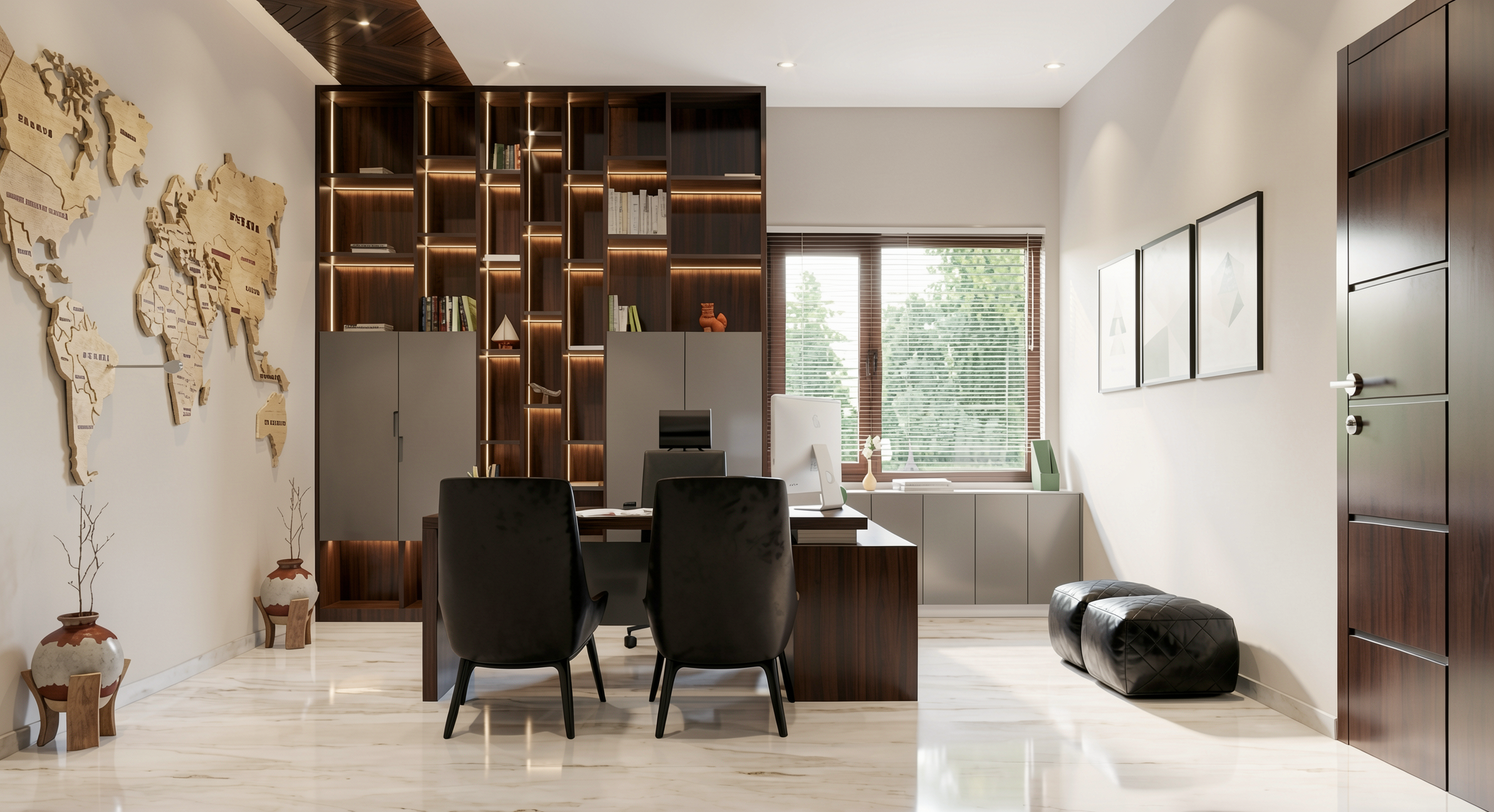
Redraw's Enhance Render was built for this. You upload any image (software render, photo of the space, even a Promob screenshot) and in 30 seconds the AI improves textures, corrects lighting, adds realism. That render that was "almost good" becomes professional. That raw construction photo becomes a presentation.
For interior designers, this feature alone justifies the tool. Because much of the work is taking what exists and elevating it. AI does that in seconds.
Before · render produced in conventional software
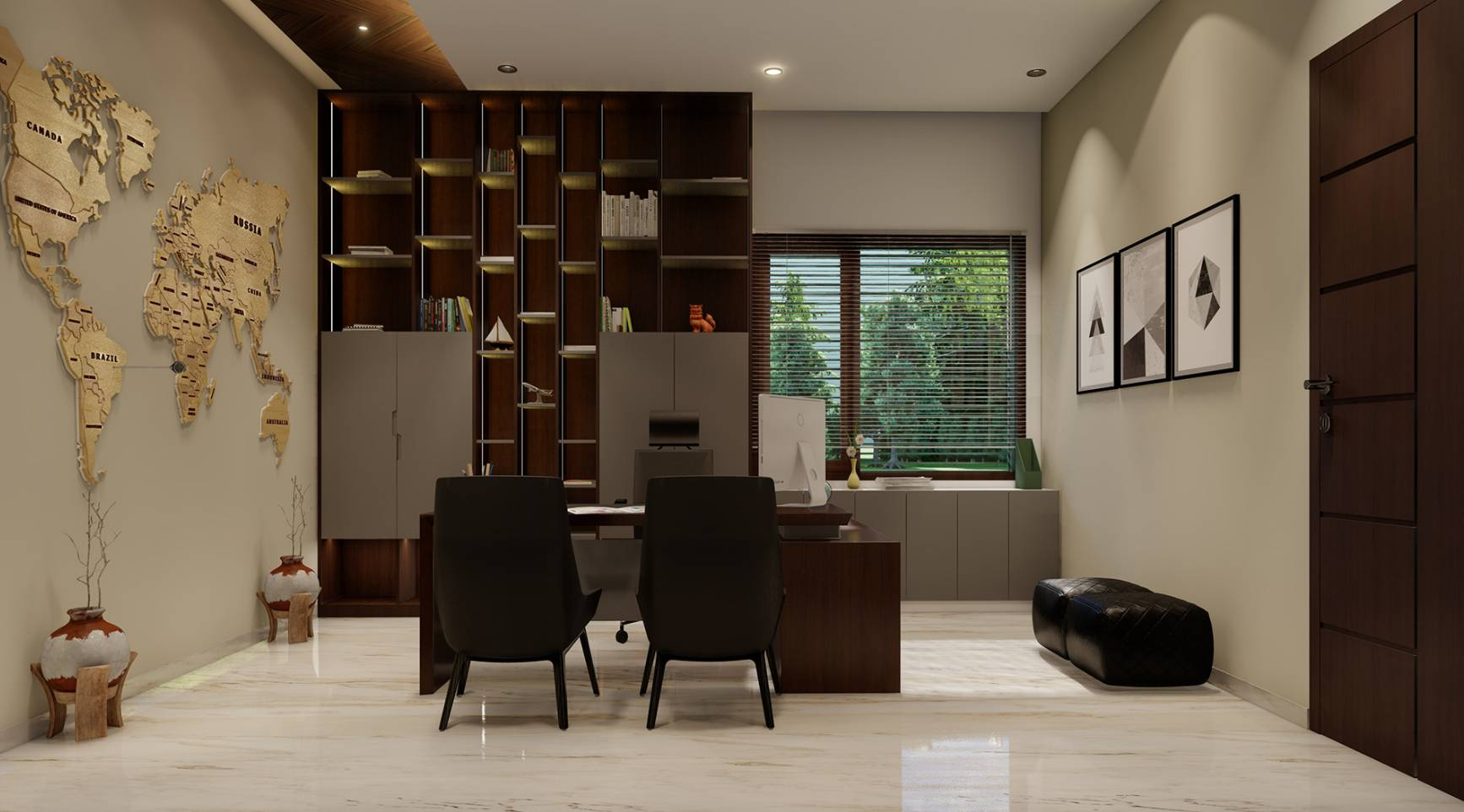
After · render enhanced with Redraw AI
Idea generation: when the client doesn't know what they want
Every designer knows this situation: the client sits down, says "I want something modern but cozy," and expects you to translate that into an image on the spot.
With AI, you can. In Redraw, idea generation works like visual brainstorming. Describe the concept ("living room with neutral palette, double ceiling height, warm lighting, japandi style"), and the AI generates options in seconds. These aren't final renders — they're starting points. Visual references you show the client, adjust the direction, then render with precision once the project is modeled.
It's automated moodboarding. Instead of spending 3 hours on Pinterest searching for images that "sort of" represent the idea, you generate exactly what you're envisioning. And if the client says "I like it but want more color," generate again in 30 seconds.
Visual moodboard with AI
Speaking of moodboards: the way designers present concepts to clients has changed. The classic moodboard (a collage of Pinterest photos with material samples) works, but has one problem. The photos are of other people's projects. They don't show how your client's project will look.
With AI, the moodboard becomes personalized. You generate images of the client's actual space with different styles, palettes, and atmospheres. The client sees their space rendered 5 different ways. Not a generic Pinterest living room. Their living room.
That changes the conversation. The client stops comparing with other people's photos and starts deciding about their own project. Approval comes faster because expectations are calibrated from the start.
Textures and lighting: where AI makes the difference
Interior design is about sensation. The feeling of a space comes from the combination of materials, light, and proportion. And that's exactly where generic AI fails and AI trained for interiors succeeds.
Redraw has its own models fed with millions of real interior images. Not renders, not generic AI images. Real photos and renders from executed projects. The AI learned how real materials behave:
How freijo wood reflects light differently from oak. How curtain fabric filters natural light creating a warm tone. How a mirror expands the space but changes the perception of depth. How Calacatta marble has veins that run in a specific direction.
Generic AI doesn't know this. It generates a generic "wood floor." Redraw generates materiality that a designer recognizes.
The complete designer workflow with AI
In practice, an interior designer can do everything inside Redraw:
1. Generate ideas with the client. In the first meeting, you describe the concept and generate visual options in real time. The client participates, gives feedback, and guides the direction. You leave the meeting with the concept approved.
2. Render the modeled project. When the 3D model is ready, take a screenshot and render in 30 seconds. With the materiality and lighting the project calls for.
3. Generate finish variations. Does the client want to see it with dark flooring? With granite countertop instead of quartz? With cooler lighting? 30 seconds per variation.
4. Enhance existing renders. Rendered in Lumion or Enscape and the result looks generic? Upload to Enhance Render and in 30 seconds gain realism.
5. Generate a video of the space. Want to show the space with movement? Redraw has its own video tool for interiors, plus Veo 3 and Kling AI. Turns a static render into a walkthrough.
6. Generate 3D objects. Need a specific light fixture, a vase, a piece of furniture not in your library? Generate it directly in Redraw and import into SketchUp.
One platform. The entire visual workflow of an interior designer solved.
Cost vs. savings
A designer who renders with traditional software spends on average:
Render license (Lumion/Enscape): R$ 3,500 to R$ 7,000/year
Adequate hardware: R$ 8,000 to R$ 20,000 (amortized ~R$ 5,000/year)
Hours in rendering and configuration: ~60 hours/month
Hours in moodboards and references: ~15 hours/month
Total: R$ 8,500+/year + 75 hours/month
With Redraw:
Basic plan: ~R$ 1,000/year
Hardware: the laptop you already have
Hours in rendering + ideas + variations: ~2 hours/month
Total: R$ 1,000/year + 2 hours/month
That's 73 hours a month returned to you. Almost 10 working days. Imagine what you do with 10 extra days a month: more projects, more clients, or simply less stress.
Frequently asked questions
What is the best AI for interior design?
Redraw is the benchmark for interiors in 2026. With models trained specifically for interior spaces, it understands materiality, ambient lighting, and furniture scale like no generic AI can.
Can AI render interiors with fidelity?
Yes, when trained for it. Redraw preserves textures, proportions, and lighting from the original project. Generic AI like ChatGPT invents materials and changes the geometry.
Can I use AI to create a moodboard?
Yes. In Redraw, idea generation creates personalized moodboards of the client's actual space, not collages of third-party photos. The client sees their own space in different styles.
Does AI for interiors work without a 3D model?
Yes. Idea generation works from a text description or reference image. Maximum-fidelity rendering uses a 3D model screenshot, but it's not required to get started.
Does Redraw capture the material details that matter in interiors?
Yes. The models were trained on millions of real interior images. The AI differentiates types of wood, fabric, stone, metal. It understands how each material reflects light differently.
Try Redraw → redraw.pro
AI Rendering vs Traditional Software: Complete 2026 Comparison
On one side: V-Ray, Lumion, Enscape, Corona, Twinmotion, D5 Render. Software that built the architecture rendering industry. On the other: artificial intelligence. Trained models that generate photorealistic renders in seconds, with no setup, no expensive hardware.
The question every architect is asking in 2026: is it worth switching?
This article compares both worlds with real numbers. Time, cost, quality, practicality. No romanticizing either side.
The traditional model: what works and what no longer does
Traditional rendering software works by simulating physics. It traces light rays, calculates how each surface reflects, and generates the image pixel by pixel. The result can be spectacular. But the process is slow, expensive, and demanding.
Real time spent per image: it is not just the render time. It is the full cycle. Import the model, resolve compatibility issues, configure materials one by one, adjust lighting, position the camera, add vegetation and people, render, notice something looks off, adjust, render again. This cycle consumes 2 to 8 hours per final image in V-Ray or Corona. 1 to 4 hours in Lumion, Enscape, or D5. And when the client requests a variation, most of the cycle starts over.
Hardware: all require a powerful dedicated GPU or multi-core CPU. A machine capable of running V-Ray or Lumion with quality costs between R$8,000 and R$30,000. And it needs to be updated every 2-3 years because the software gets heavier with each version. Does not run on Mac with Apple Silicon (except Twinmotion with limitations). Does not run on a laptop (except Enscape with reduced performance).
Annual cost: V-Ray Solo: US$540. Lumion Pro: US$1,149. Enscape Solo: US$575. D5 Pro: US$360. Corona Solo: US$395. Twinmotion: US$445 (free below US$1M revenue). Add amortized hardware and none of these cost less than R$5,000/year. For an office with 3 licenses, multiply that.
Learning curve: V-Ray and Corona require months of study to deliver professional quality. There are 1,000+ parameters that need to be right. Lumion is simpler but still takes weeks. Enscape and Twinmotion are accessible but results tend to look generic. D5 tries to balance both but the curve is steep.
The real problem: most professionals do not master the software they use. Not for lack of talent — for lack of time. The office has projects to deliver, the client wants to see something tomorrow, and spending 6 hours adjusting render parameters is not an option. The result: expensive software used superficially, delivering mediocre results.
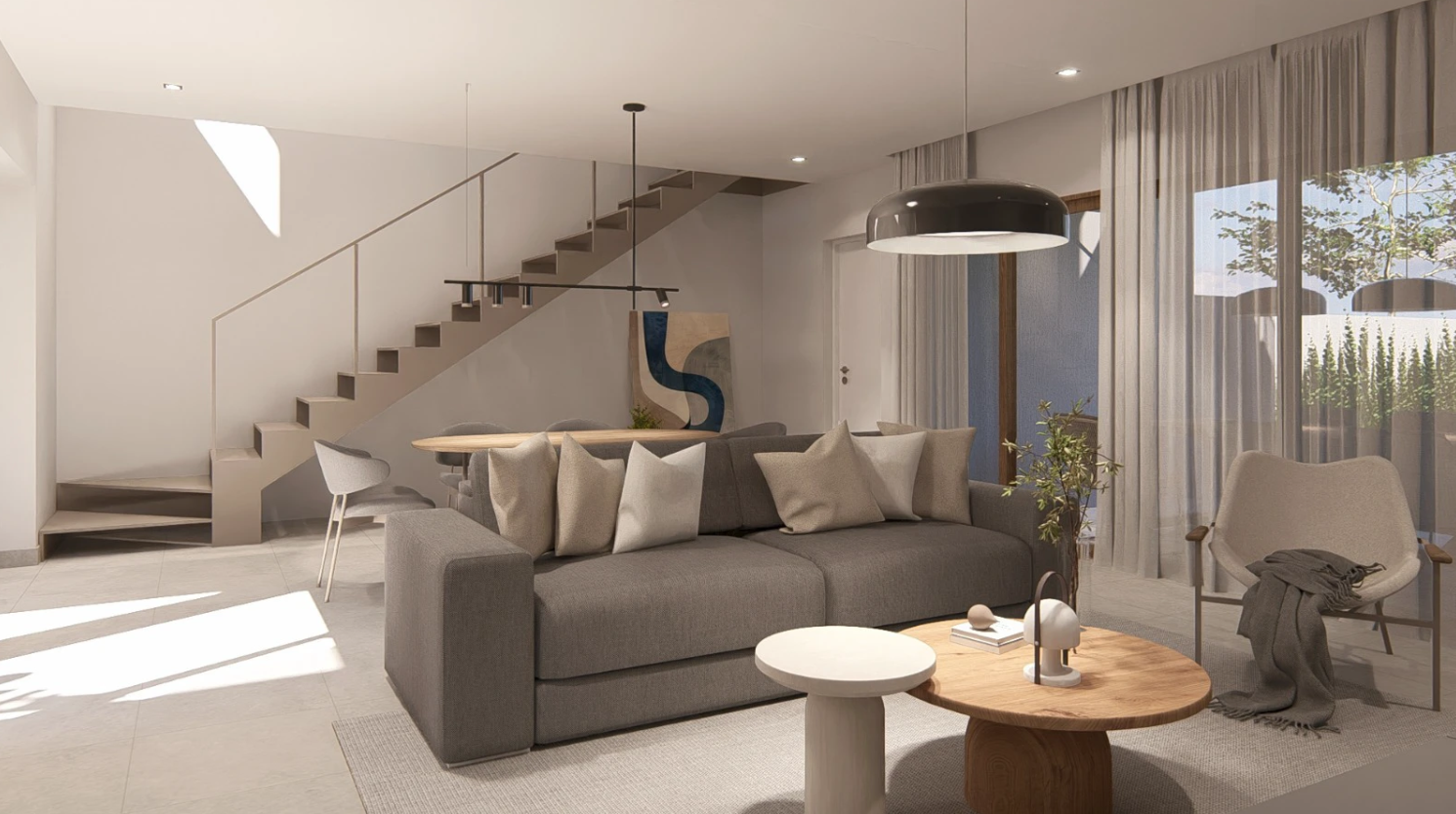
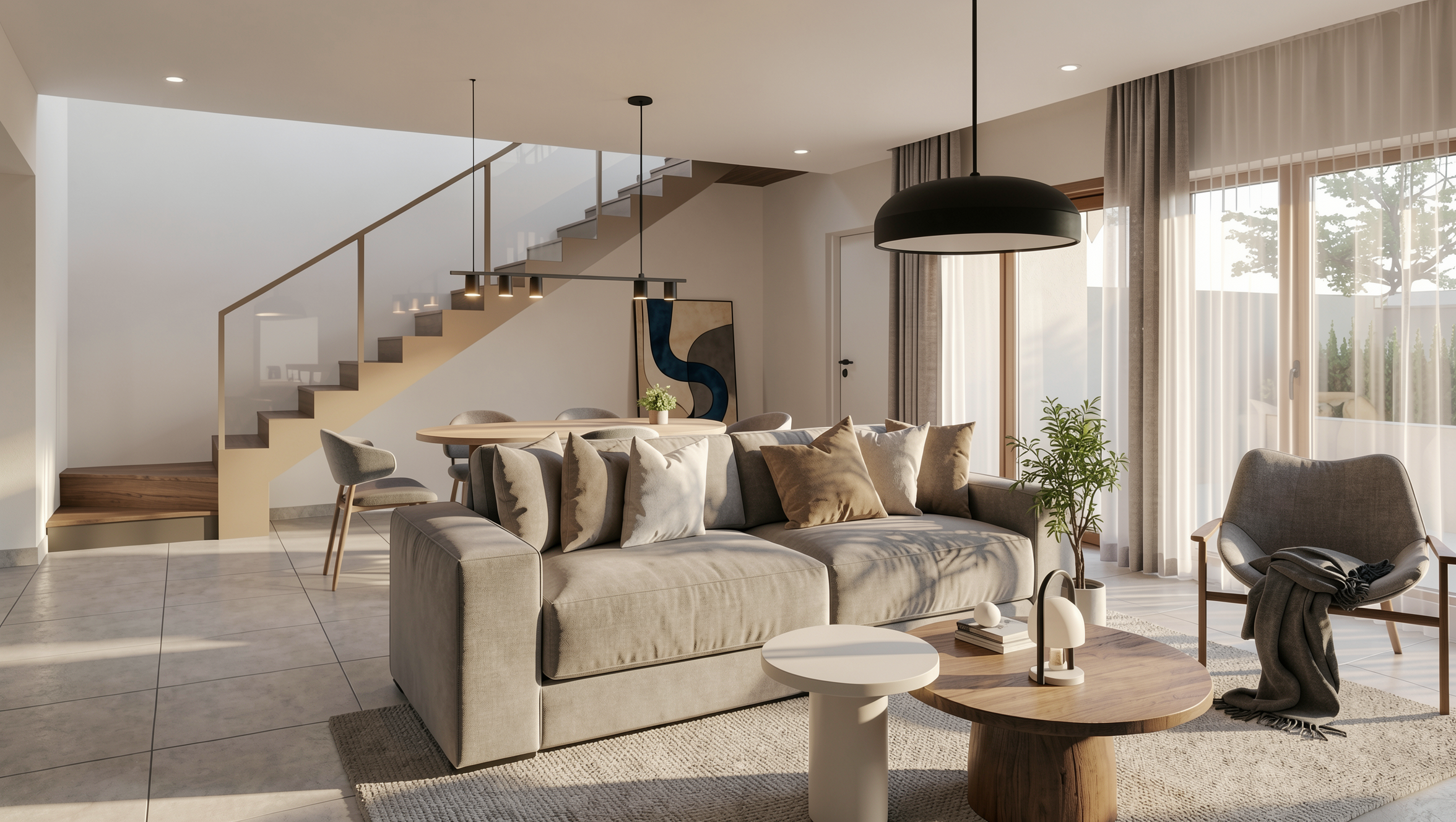
Comparison: same scene in Lumion vs Redraw
Lumion · 14 hours of production · 2 hours rendering
Redraw · 2 minutes of production · 15 seconds rendering with AI
The AI model: what changed
AI rendering works differently. Instead of simulating physics, the AI learned what architecture scenes look like when rendered. It was trained on millions of real images. When it receives a screenshot of your 3D model, it understands the context and generates the image directly.
Real time spent per image: 20 to 40 seconds. From upload to result. No setup. A variation? 30 more seconds. 10 angles? Less than 7 minutes. The "adjust and re-render" cycle disappears because the result comes out good on the first generation.
Hardware: any PC with internet. Entry-level laptop, Mac, tablet, phone. Processing happens in the cloud. Your machine only needs to open a browser.
Annual cost: Redraw (the largest AI platform for architecture, 200k+ users) starts at US$180/year. No extra hardware. For an office with 3 people, the Expert plan costs US$384/year. Compare that to R$15,000+ for the traditional model for the same office.
Learning curve: zero. Upload the image, click generate, receive the render. If you know how to use Instagram, you know how to use it.
Direct comparison
| Criterion | Traditional Software | AI Rendering (Redraw) |
|---|---|---|
| Total time per image | 1 to 8 hours | 20 to 40 seconds |
| Setup/configuration | 1 to 4 hours per scene | None |
| Minimum hardware | Dedicated GPU + 16-32 GB RAM | Browser |
| Annual cost (1 person) | R$5,000 to R$15,000 | ~R$1,000 |
| Annual cost (3 people) | R$15,000 to R$45,000 | ~R$2,300 |
| Learning curve | Weeks to months | Minutes |
| Quality with full mastery | Excellent | Excellent |
| Quality without mastery | Average | High (consistent) |
| Works on Mac? | Partially (Twinmotion, Enscape) | Yes |
| Works on mobile? | No | Yes |
| Quick variations | 30 min to 2 hours each | 30 seconds each |
| Video generation | Lumion and Twinmotion (limited) | Own model + Veo 3 + Kling |
| 3D object generation | No | Yes (for SketchUp) |
| Enhance existing renders | No (starts from scratch) | Yes (Enhance Render in 30 sec) |
The comparison that matters: real quality vs theoretical quality
Advocates of traditional rendering always argue that V-Ray delivers superior photorealism. And that is true, in theory. A V-Ray render made by a specialist with 10 years of experience, in 8 hours of work, is impeccable.
But how many of your renders are made that way?
In practice, most renders delivered by architecture firms are made in a hurry, with partial configuration, with whatever time was left between projects. And the result shows: flat lighting, generic materials, repetitive textures.
AI eliminates that variable. Quality is consistent. Every render comes out at a high level, regardless of who clicked the button. It does not depend on technical mastery. It does not depend on how much time was left. It is professional 100% of the time.
That is more valuable than the theoretical maximum quality that no one achieves in their daily workflow.
Where traditional rendering still wins
To be fair: there are scenarios where traditional software still makes sense.
Cinematic animations with frame-by-frame control. If you need a 2-minute animation where every camera movement, every light transition, and every detail is controlled manually, Lumion or V-Ray still offer more control.
Projects with extreme technical specification. If the render needs to be technically verifiable (e.g., natural light simulation for LEED certification), software with a real physics engine is more appropriate.
Visualization studios with a dedicated technical team. If the core business is rendering (not design), and the team has spent years mastering V-Ray, the transition can be gradual.
These scenarios represent less than 10% of the rendering volume in the architecture market. For the other 90%, AI is already better on every criterion.
Migration in practice
It does not have to be all or nothing. The smartest path is in phases:
Phase 1: Test Redraw with your current projects. 10 free credits, no card required. Compare the result with what your software delivers.
Phase 2: Use Enhance Render to elevate your current renders. Already rendered in Lumion or V-Ray? Drop it into Redraw and in 30 seconds you gain quality. Minimal cost, immediate gain.
Phase 3: For new projects, go straight to Redraw. Screenshot of the model, upload, render in 30 seconds. Traditional software becomes a backup for specific cases.
Phase 4: Cancel the traditional software license and redirect the investment. R$15,000 in savings per year that becomes profit, equipment, or free time.
Most of the 200,000 professionals on Redraw followed this path. Tested it, compared, and never went back.
Frequently asked questions
Is AI rendering better than V-Ray?
For the day-to-day of an architecture firm, yes. Faster, cheaper, consistently professional results. V-Ray still has an advantage in scenarios that require absolute control over every parameter, but that need is increasingly rare.
Does AI rendering replace Lumion?
For image rendering and quick variations, yes. For real-time interactive walkthroughs, Lumion still offers something different. But for client presentations, portfolios, and social media, AI already surpasses it.
Is AI render quality professional?
Yes. Platforms with models trained for architecture, like Redraw, deliver photorealism that impresses even those who work with V-Ray. And with consistency: 100% of renders come out at a high level.
How much do you save by migrating to AI?
On average, R$5,000 to R$14,000 per year per professional (between licenses and hardware). Plus 40 to 100 hours per month returned. The math works out in the first month.
Can I use AI rendering and traditional software together?
Yes. Redraw's Enhance Render accepts images from any software. Many professionals use Lumion or V-Ray for the model and Redraw to elevate the final quality and generate quick variations.
Try Redraw → redraw.pro
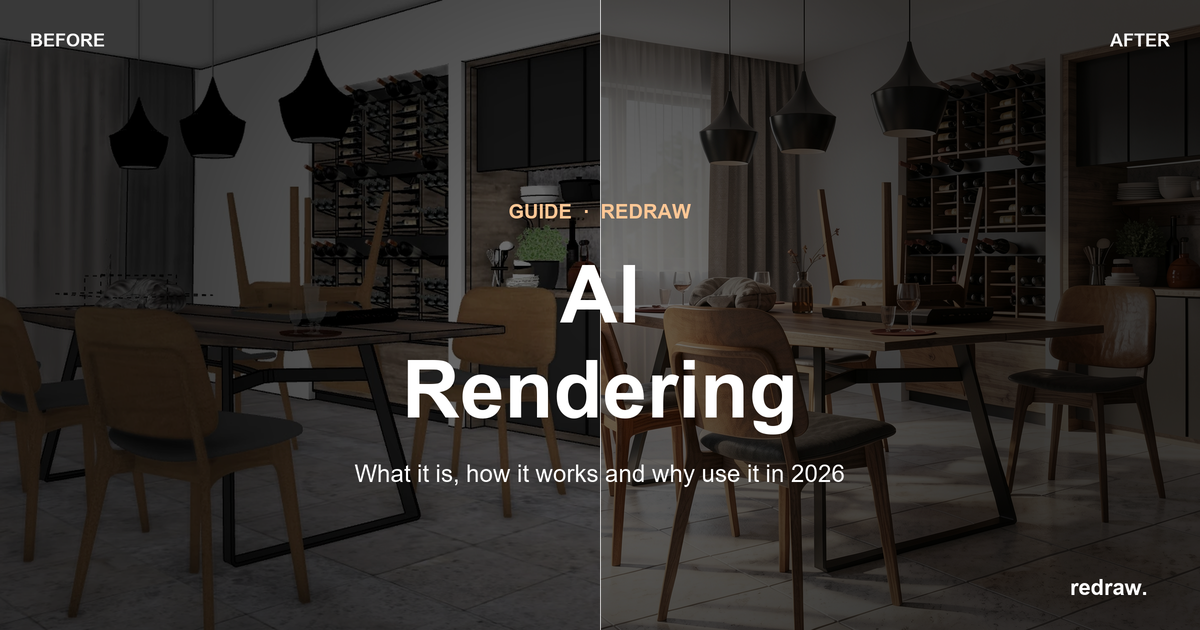
AI Rendering: What It Is, How It Works, and Why to Use It in 2026
Until recently, rendering a project meant hours of setup, a freezing computer, and a hefty software bill. V-Ray, Lumion, Enscape, Corona. Tools that work, but that demand time, hardware, and technical knowledge most professionals simply don't have to spare.
AI rendering changed that. In 2026, an architect can generate a photorealistic render in 30 seconds, straight from a browser, without installing anything. And the result stays faithful to the project. It's not a generic image. It's your actual project rendered.
If you still don't fully understand how it works, what changes, and why you should consider it, this article explains everything.
What is AI rendering
AI rendering is the process of generating photorealistic images of projects using artificial intelligence models, instead of traditional render engines (ray tracing, path tracing, rasterization).
In traditional rendering, the software physically calculates how light interacts with every surface in the scene. Each reflection, each shadow, each light bounce is mathematically simulated. That demands raw processing power and takes time.
In AI rendering, the model already "knows" how architectural scenes look with natural lighting, with certain materials, under certain conditions. It was trained on millions of real images. So when you upload a screenshot of your 3D model, the AI doesn't calculate light pixel by pixel. It understands the scene's context and generates the image directly. That's why it takes seconds instead of hours.
The practical difference: you don't configure material by material, you don't manually adjust lighting, you don't need an expensive GPU. The AI does the heavy lifting.
How it works in practice
The workflow is simple. Simpler than any rendering software you've ever used.
Step 1: You model in whatever software you already use. SketchUp, Revit, ArchiCAD, Rhino, Vectorworks, Blender. Any of them.
Step 2: Take a screenshot of the model from the angle you want to render. That's it. No need to export a file, optimize the mesh, or install a plugin.
Step 3: Upload that image to an AI rendering platform. The AI analyzes the geometry, identifies materials by context, applies realistic lighting, and generates the render.
Step 4: In 20 to 40 seconds, you have a photorealistic render. Want a finish variation? Another 30 seconds. Night version? Another 30 seconds. Five different angles? Under 3 minutes.
No setup. No material configuration. No processing wait. Click and receive.
Why AI quality improved so much
Two years ago, AI rendering was experimental. The results were interesting but generic. Artificial textures, distorted geometry, invented elements. Nobody used it to present to clients.
What changed was model training. Specialized platforms like Redraw invested in training models with millions of real architectural project images. Not generic internet images. Real projects, with real materials, natural lighting, correct proportions.
The result is that the AI now understands what it sees. It knows that porcelain tile reflects differently from wood. It knows that natural light from a window creates gradients in the space. It knows that the proportions of a window frame matter. This level of understanding only exists in models trained specifically for architecture.
Generic AIs (ChatGPT, Gemini, Stable Diffusion) generate beautiful images but invent everything. They don't understand the project. They change proportions, add elements, ignore what you drew. For concept art, they work. For professional project rendering, they don't.
AI rendering vs traditional rendering
| Criterion | Traditional Render (V-Ray, Lumion, etc.) | AI Rendering (Redraw) |
|---|---|---|
| Time per render | 20 min to 8 hours | 20 to 40 seconds |
| Setup time | 1 to 4 hours (materials, lighting, camera) | Zero |
| Required hardware | Dedicated GPU, 16–32 GB RAM | Any PC with internet |
| Annual cost (software + hardware) | R$ 5,000 to R$ 30,000+ | From R$ 1,000/year |
| Learning curve | Months to years | Minutes |
| Maximum quality | Excellent (if you master the software) | Excellent (AI trained for architecture) |
| Average delivered quality | Mediocre (few truly master it) | High (consistent results) |
| Quick variations | 30+ min each | 30 sec each |
| Works on a laptop? | Rarely | Yes |
| Works on a phone? | No | Yes |
That last comparison matters more than it seems. The maximum quality from traditional rendering is excellent, but very few professionals can extract it. It requires software mastery, powerful hardware, and hours of adjustment. In practice, most renders delivered with traditional software are mediocre.
With AI, quality is high from the very first render. Without configuring anything. That raises the floor for the entire market.
What you can do with AI rendering in 2026
Rendering a static image is just the beginning. Complete AI platforms for architecture offer an entire ecosystem:
Photorealistic rendering. The basic. A screenshot of the 3D model becomes a professional image in seconds. Facades, interiors, landscaping, aerial perspectives.
Enhance existing renders. Already have a render from Lumion, V-Ray, or Enscape that came out "almost good"? AI takes that image and in 30 seconds improves textures, lighting, and realism. No re-rendering in the original software.
Video generation. Turn a static render into a video with movement. Walkthroughs, fly-throughs, facade animations. Redraw has its own video tool for architecture and integrates Veo 3 and Kling AI.
3D object generation. Need furniture or vegetation that isn't in your library? AI models generate 3D objects you import directly into SketchUp.
Project variations. Want to show the client 3 finish options? With AI, that's 3 times 30 seconds. With traditional software, that's 3 times 2 hours.
How much AI rendering costs
Cost is one of the biggest advantages.
Redraw, the largest AI platform for architecture (200,000+ users), starts at $15/month. That includes around 300 renders, access to multiple optimized AIs, Enhance Render, video generation, and 3D objects. Works in the browser on any machine.
To compare with the traditional model: a Lumion Pro license costs $1,149/year. V-Ray Solo costs $540/year. Enscape Solo costs $575/year. And all of them require hardware costing between R$ 8,000 and R$ 25,000.
For $180/year (Redraw Basic), without extra hardware, a professional gets access to rendering that previously required an investment of R$ 15,000+ in the first year alone.
But does AI replace traditional rendering?
For 90% of what an architecture firm needs day to day, yes.
Client presentation? AI handles it. Facade study? AI handles it. Interior variations? AI handles it. Portfolio? AI handles it. Social media posts? AI handles it.
What traditional rendering still does that AI doesn't: highly complex animations with frame-by-frame control, projects where every sub-surface scattering detail matters, situations requiring absolute control of every physical light parameter.
That represents an ever-shrinking slice of a firm's real workload. And every month that slice gets smaller, because AI models keep improving.
How to get started
If you've never tried AI rendering, the most direct path is to create a free Redraw account. You get 10 credits with no credit card required. Upload a screenshot of your 3D model and see the result with your own eyes. The whole process takes less than 2 minutes.
If the result delivers (and in the experience of 200,000 professionals who've already tested it, it does), you've just saved thousands of dollars and hundreds of hours per year.
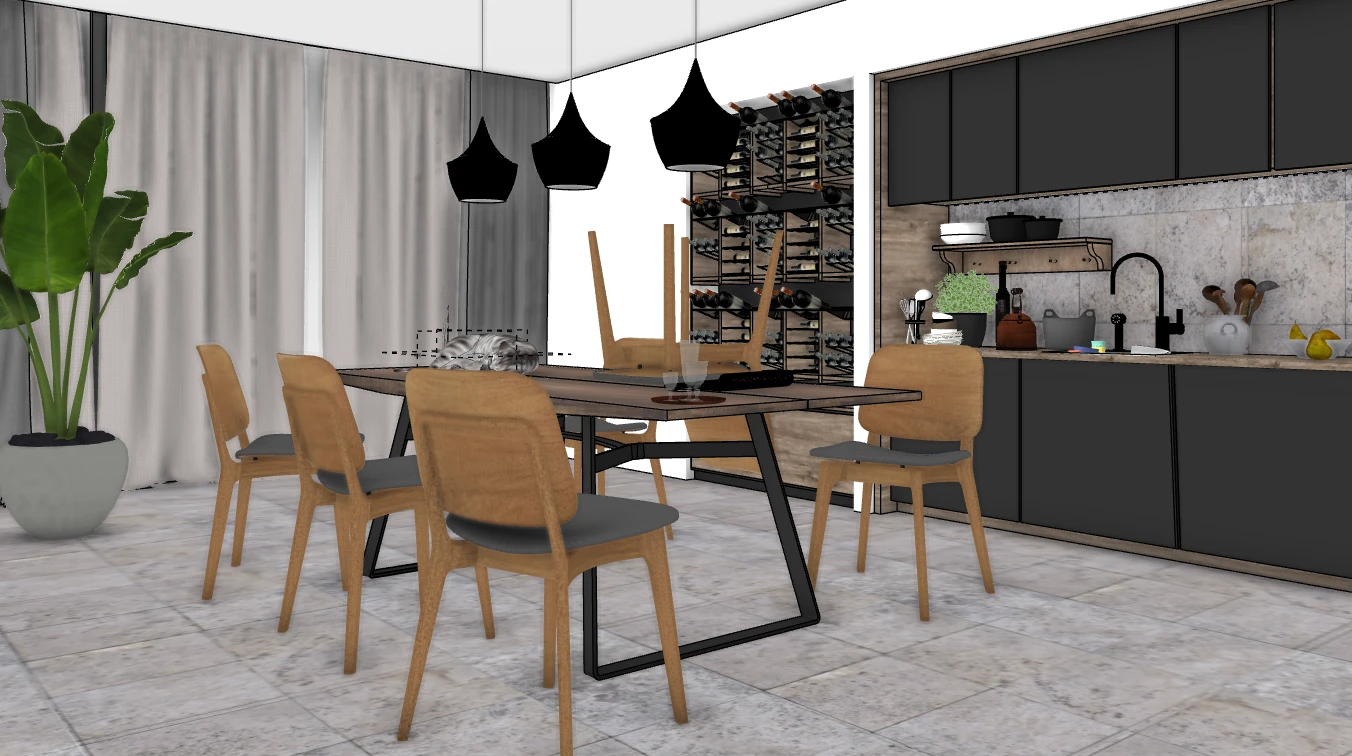
Before:
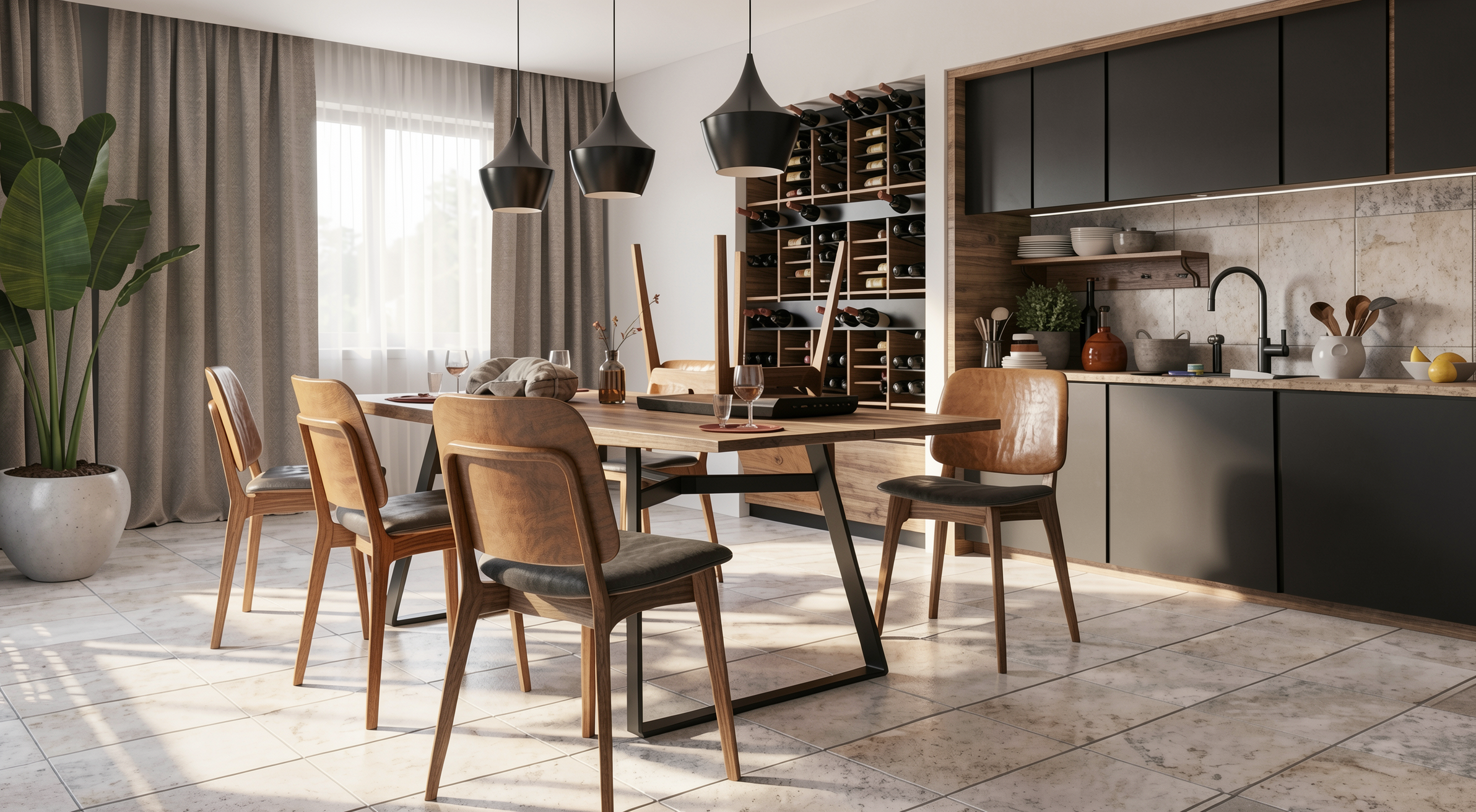
After:
Frequently asked questions
What is AI rendering?
It's the process of generating photorealistic images of projects using trained artificial intelligence models, instead of traditional render engines that physically simulate light. The result comes out in seconds, without manual configuration and without special hardware.
How does AI rendering work for architecture?
You take a screenshot of your 3D model (SketchUp, Revit, ArchiCAD), upload it to a platform like Redraw, and the AI generates a photorealistic render in 20 to 40 seconds. The AI identifies materials, applies lighting, and maintains project fidelity automatically.
Is AI rendering better than V-Ray or Lumion?
For day-to-day firm work, yes. Quality is professional, time is incomparably shorter, and cost is a fraction. V-Ray and Lumion only maintain an advantage in scenarios requiring absolute technical control of every parameter.
Does AI rendering stay faithful to the project?
It depends on the tool. Generic AIs like ChatGPT invent elements and alter the project. Specialized platforms like Redraw were trained to respect the geometry, proportions, and materiality of the original project.
How much does AI rendering cost?
Redraw starts at $15/month with around 300 renders included. Free trial with 10 credits, no card required. Compare that with traditional software licenses costing $500 to $1,200/year plus hardware costing R$ 10,000+.
Do I need a powerful computer for AI rendering?
No. Platforms like Redraw run 100% in the cloud, through the browser. Any laptop, Mac, tablet, or even phone works. The processing happens on the servers, not on your machine.
Create a free Redraw account → redraw.pro
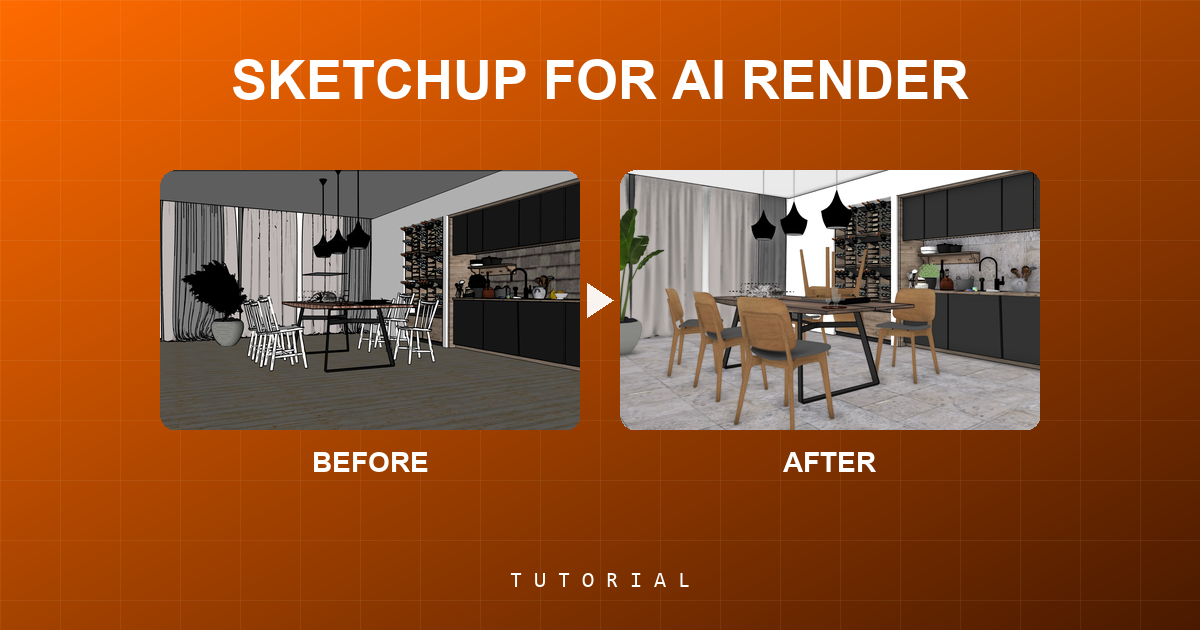
How to Prepare SketchUp for AI Rendering: Practical 3D Optimization Guide
The AI boom has brought a huge wave of professionals generating images with artificial intelligence. But most skip the most important step: preparing the 3D model before rendering.
The result? Mediocre renders. Blown-out textures. Pointless angles. And it is not the AI's fault.
In this guide you will see, in practice, how to optimize your 3D model in SketchUp to get the most out of AI rendering. And the best part: the same tips work for Revit, ArchiCAD, and Promob.
The problem: an unprepared 3D model produces bad renders
Look at this image. It is the typical screenshot taken from SketchUp with no attention to angle, lighting, or detail. Floating elements, off-scale textures. A classic scenario.
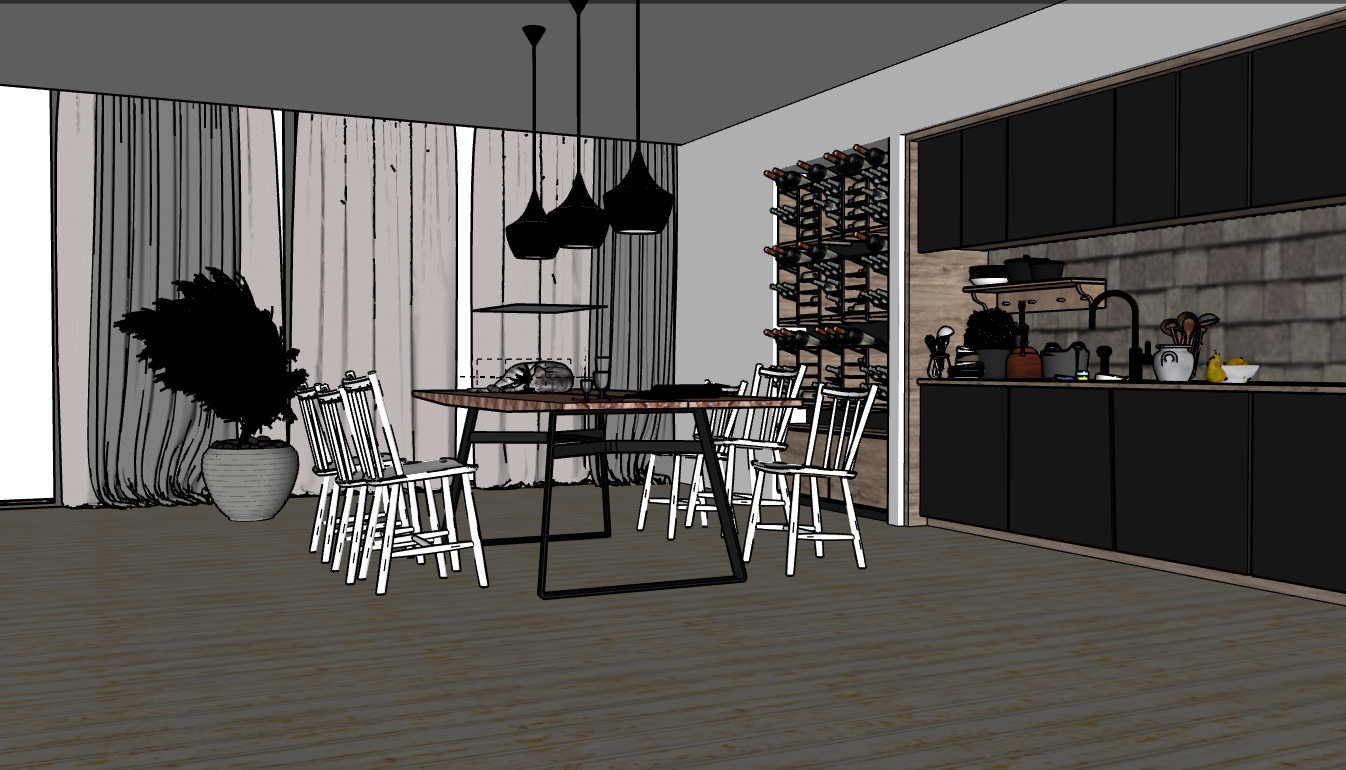
Even using advanced AI rendering models like Redraw v4 Lumi, results with this type of image will not be good. No care was taken in preparing the model.
What is wrong with this image?
Wide, poorly positioned camera angle. Completely dark vegetation blocks that do not match the selected plants. Floor, table, and kitchen wall textures at the wrong scale — far from what will actually be built. Chairs with poor geometry and no textures.
This is the typical half-baked AI render. But there is a fix. With just 5 minutes of optimization, the result changes completely. Here is the process.
Optimization 01: general model clean-up
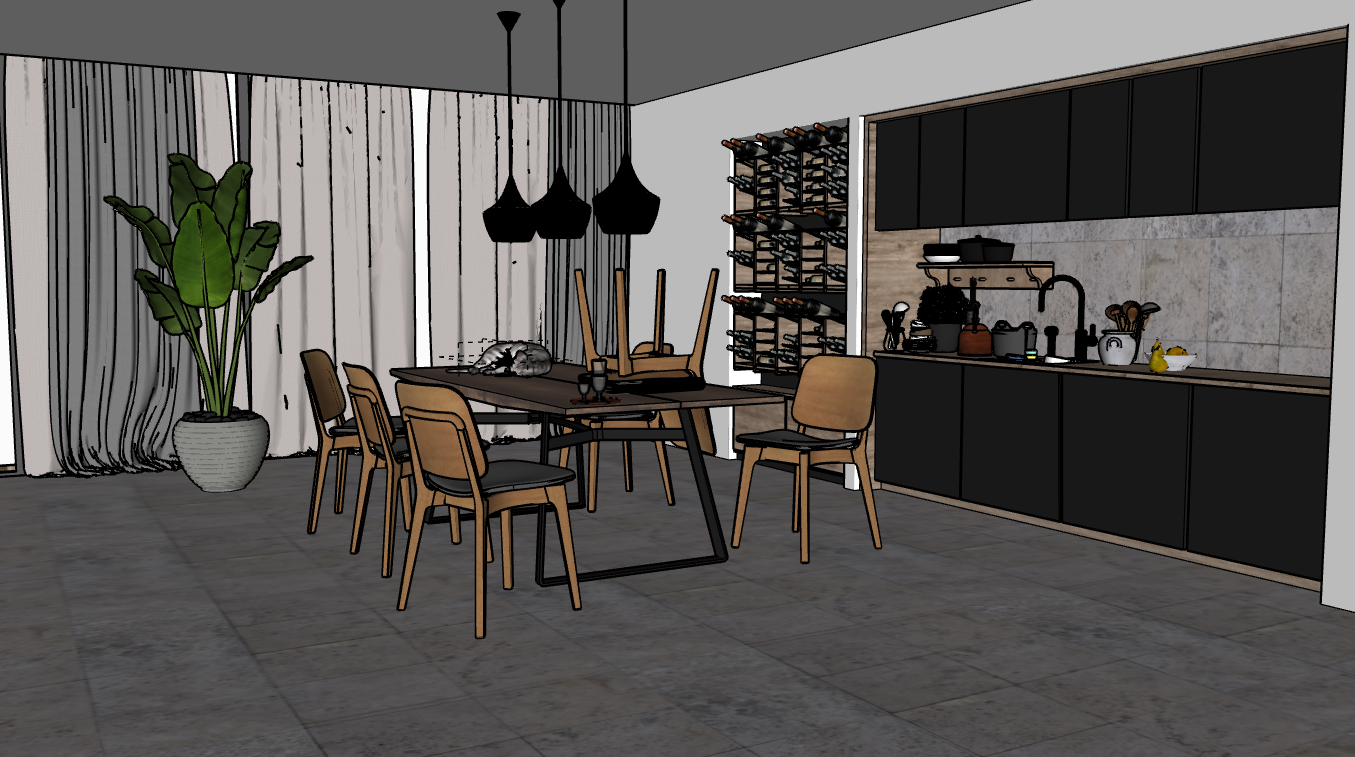
What was done here? Removal of bad blocks: dark vegetation, ugly chairs, and floating elements. New textures that make sense for the project, at the real scale. Floor replaced, wall replaced, table replaced. Everything as close as possible to the actual execution of the project.
It may seem like a small thing, but this clean-up alone drastically changes the AI result.
Optimization 02: camera adjustment
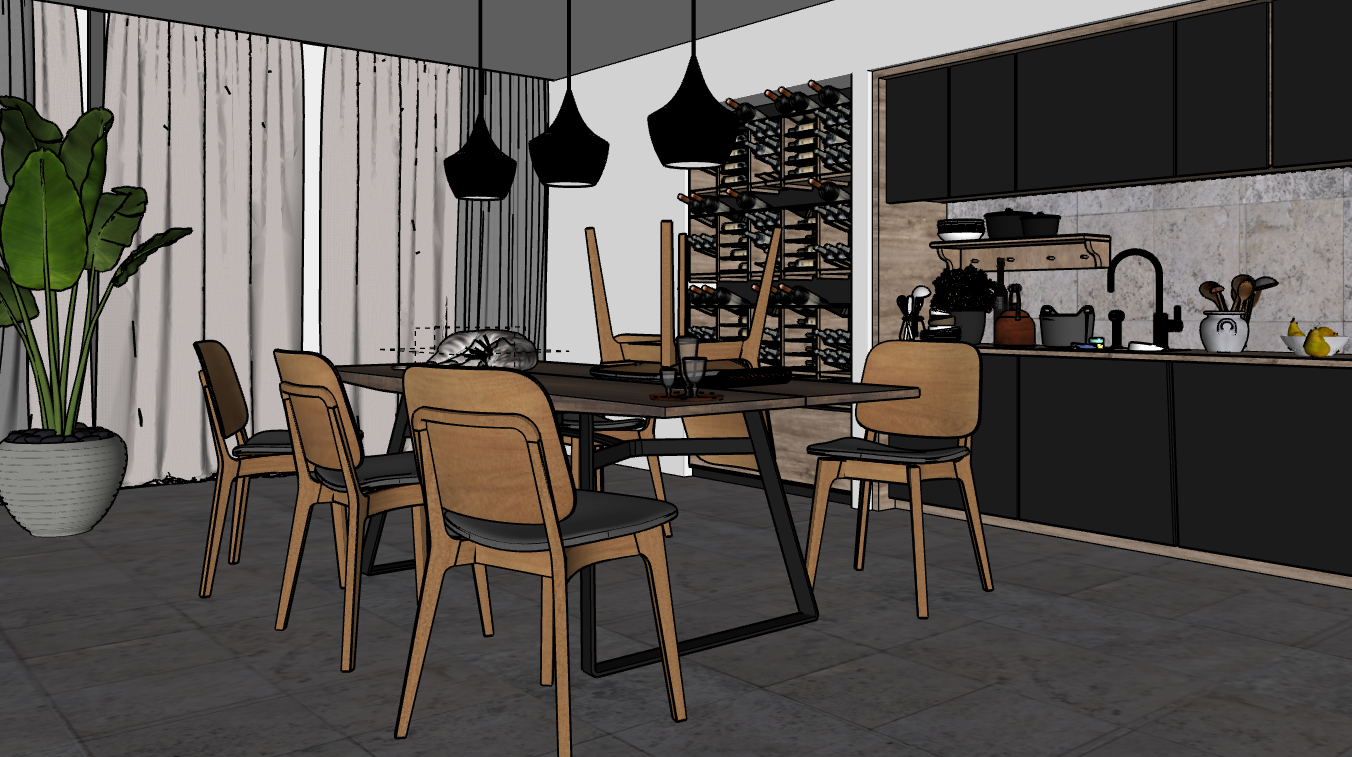
Adjust the camera to enhance the scene. Set the focal length to something between 30mm and 60mm, and frame the elements with intention. Think like a photographer: what do you want the client to notice first?
A good camera angle is the difference between a render that looks amateur and one that looks magazine-worthy.
Optimization 03: lighting adjustments in SketchUp
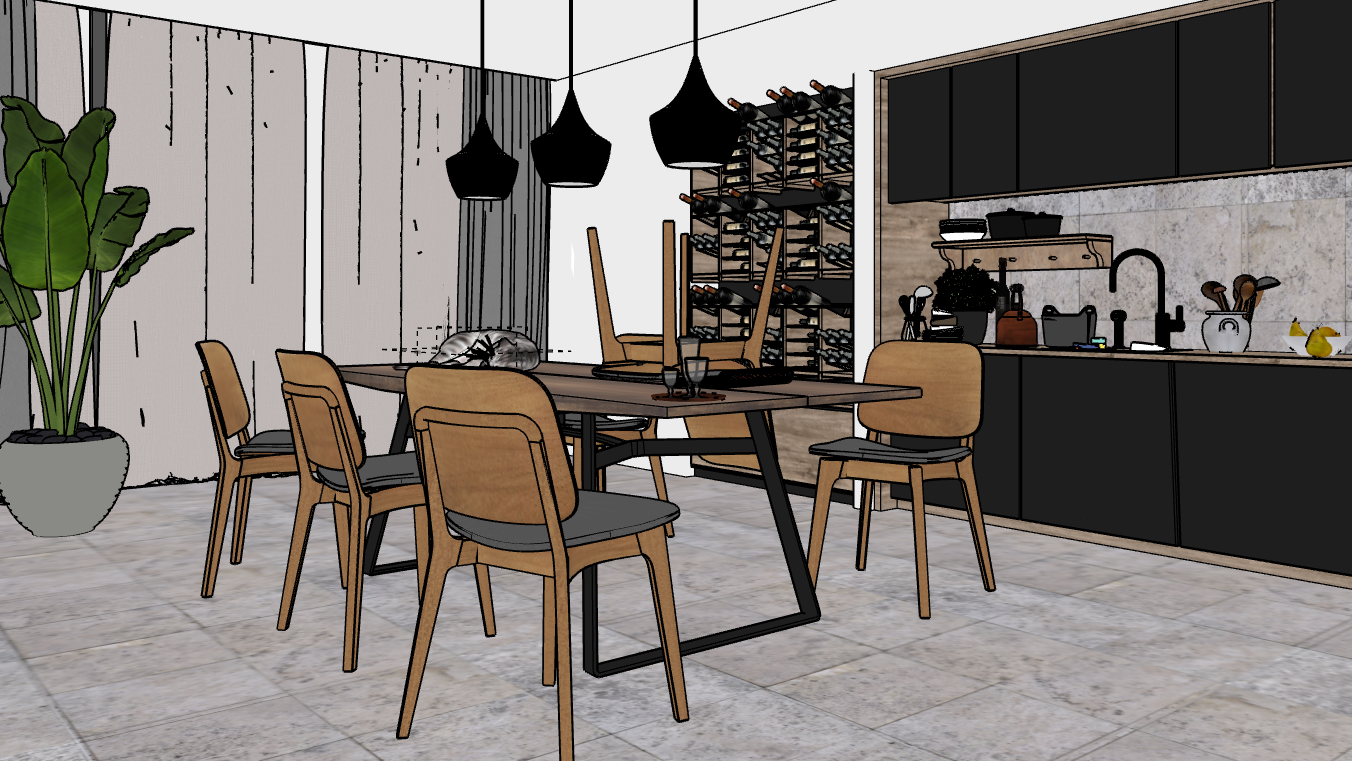
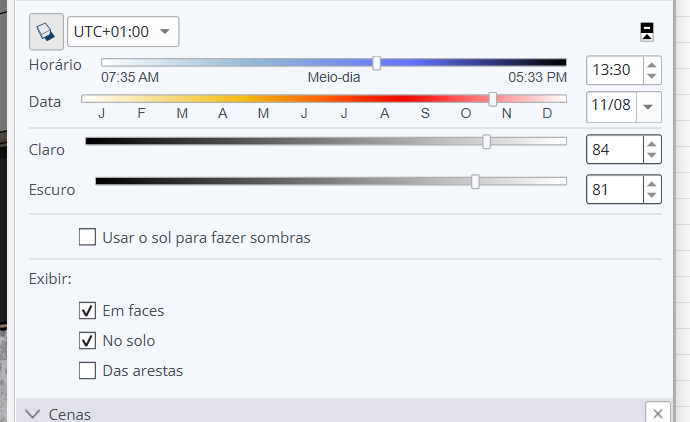
Enable Light & Shadow in SketchUp. Adjust the light and dark sliders for greater scene clarity, leaning the scene toward brighter values. This brings out the textures and helps the AI interpret each material better.
Optional: disable the "On Faces" option under SketchUp lighting.
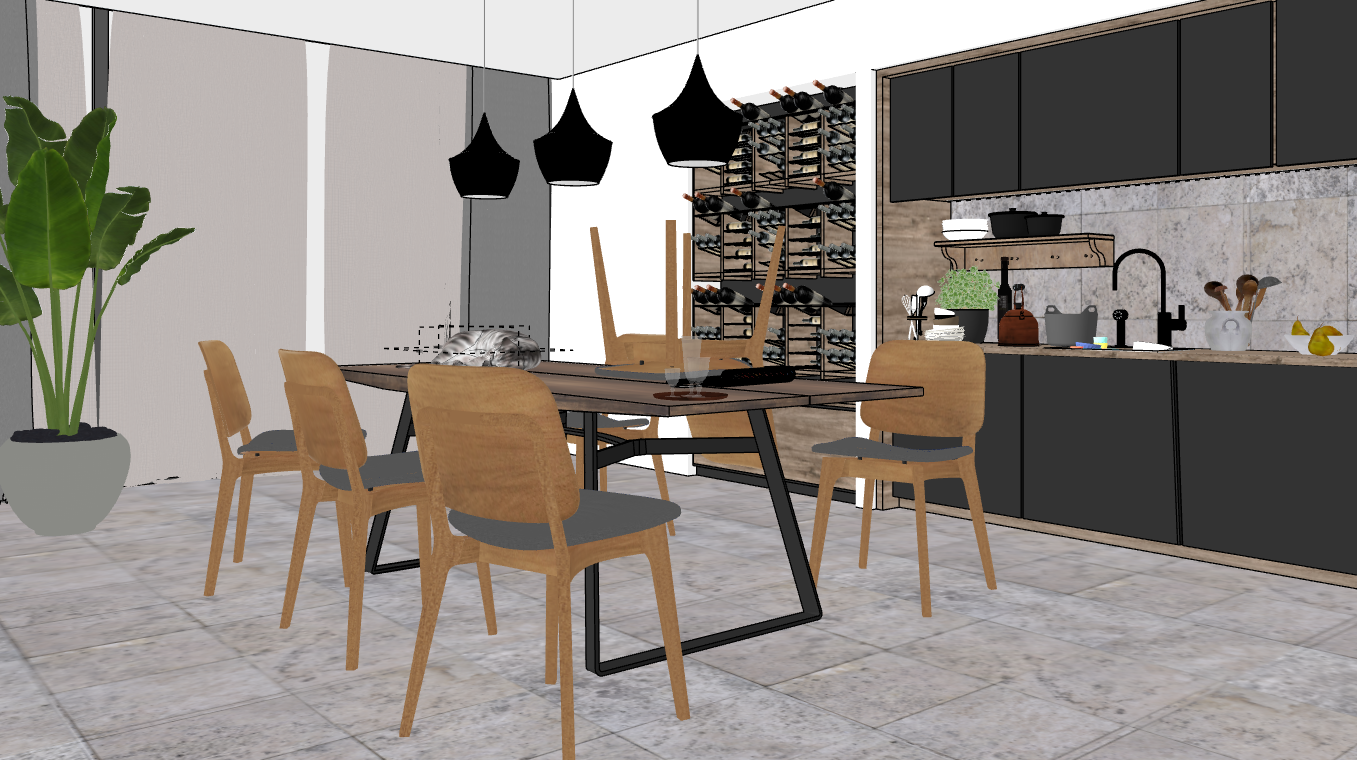
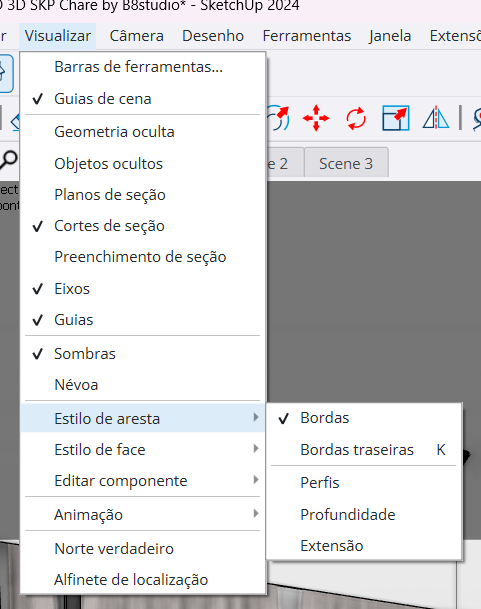
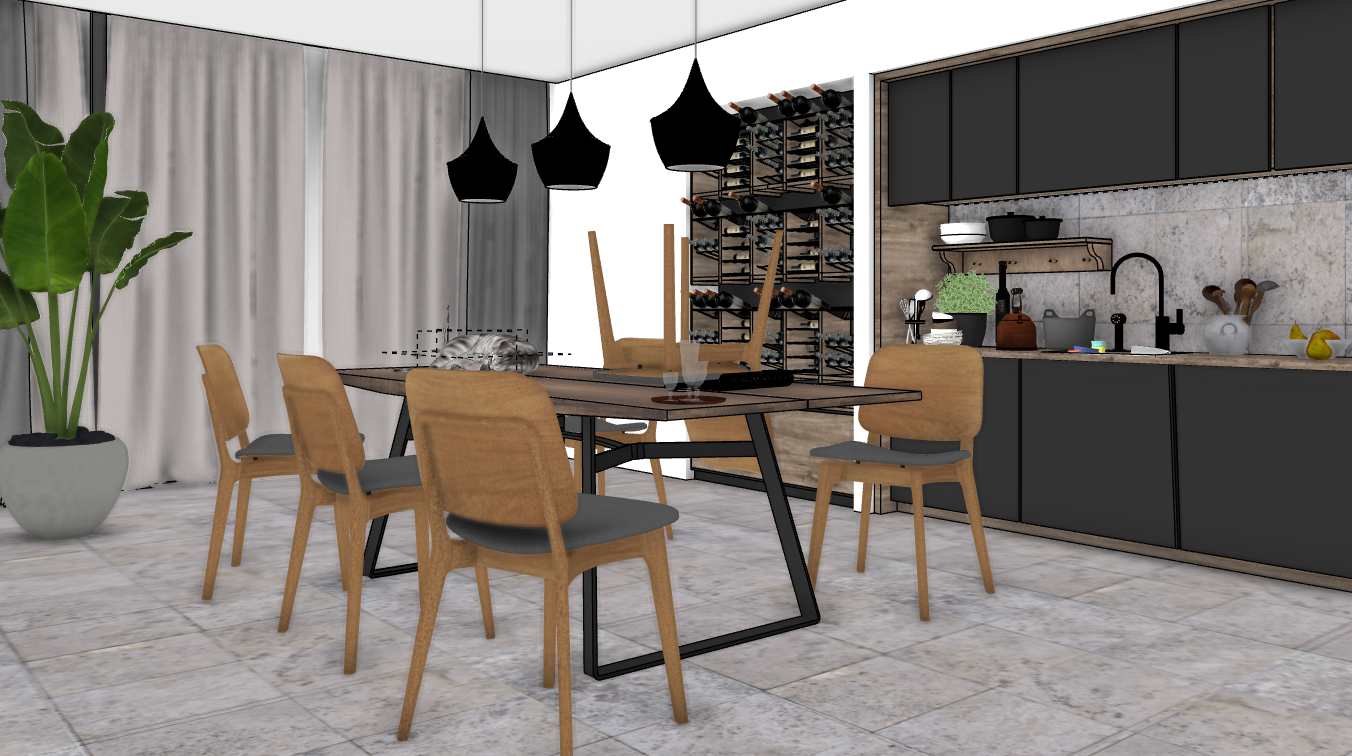
Optional: go to View > Edge Style > disable Profiles. This option can improve texture definition in the scene. Test it in your case to see if it makes a difference.
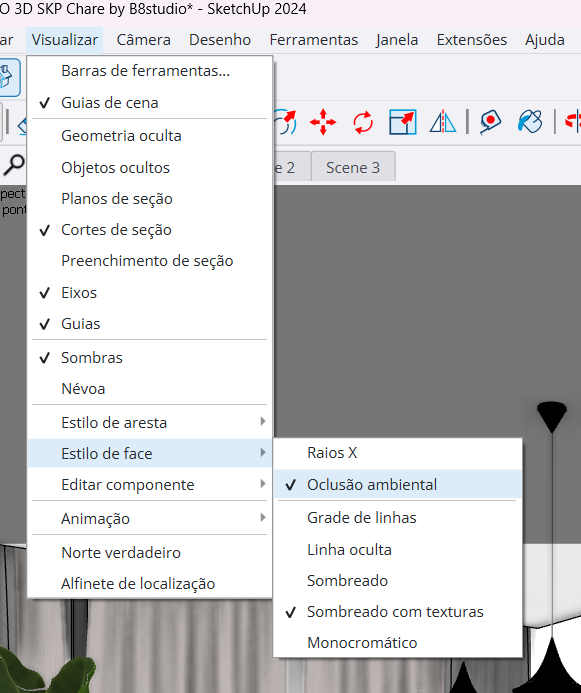
Optional: go to View > Face Style > enable Ambient Occlusion (SketchUp 2024 or later). This gives the model a much more realistic look and greatly helps scene definition. It may make the project heavier and cause slowdowns, but it is worth enabling when generating the image and disabling afterward.
Bonus: two-point perspective
In photography and real life, the vertical lines of a building are never tilted. Follow that standard in your 3D model.
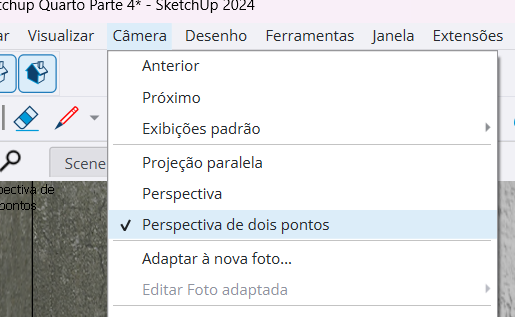
Inside SketchUp, go to Camera > enable Two-Point Perspective. This ensures verticals always stay straight, just like in a professional photograph.
Bonus: exterior scenes with sky and grass
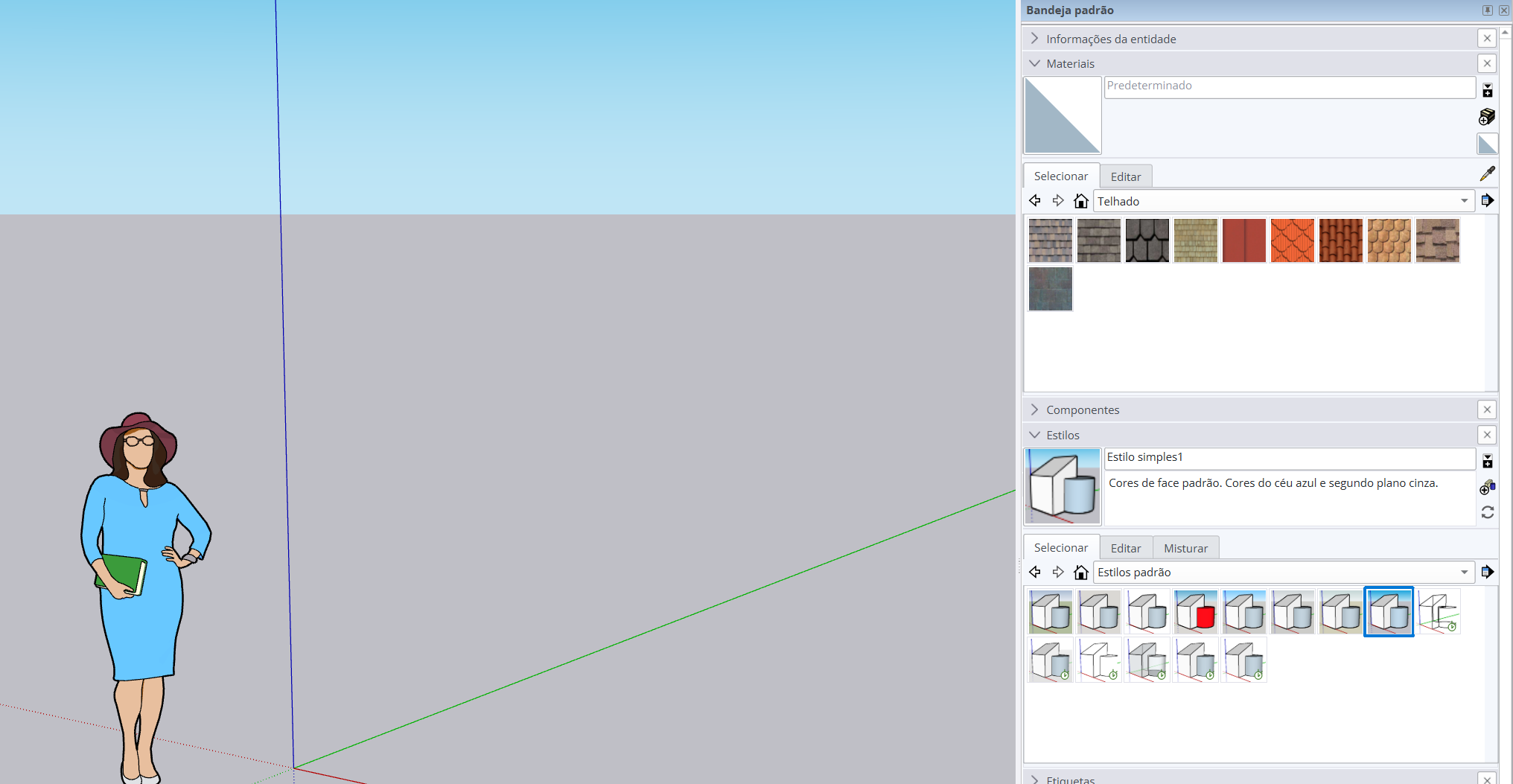
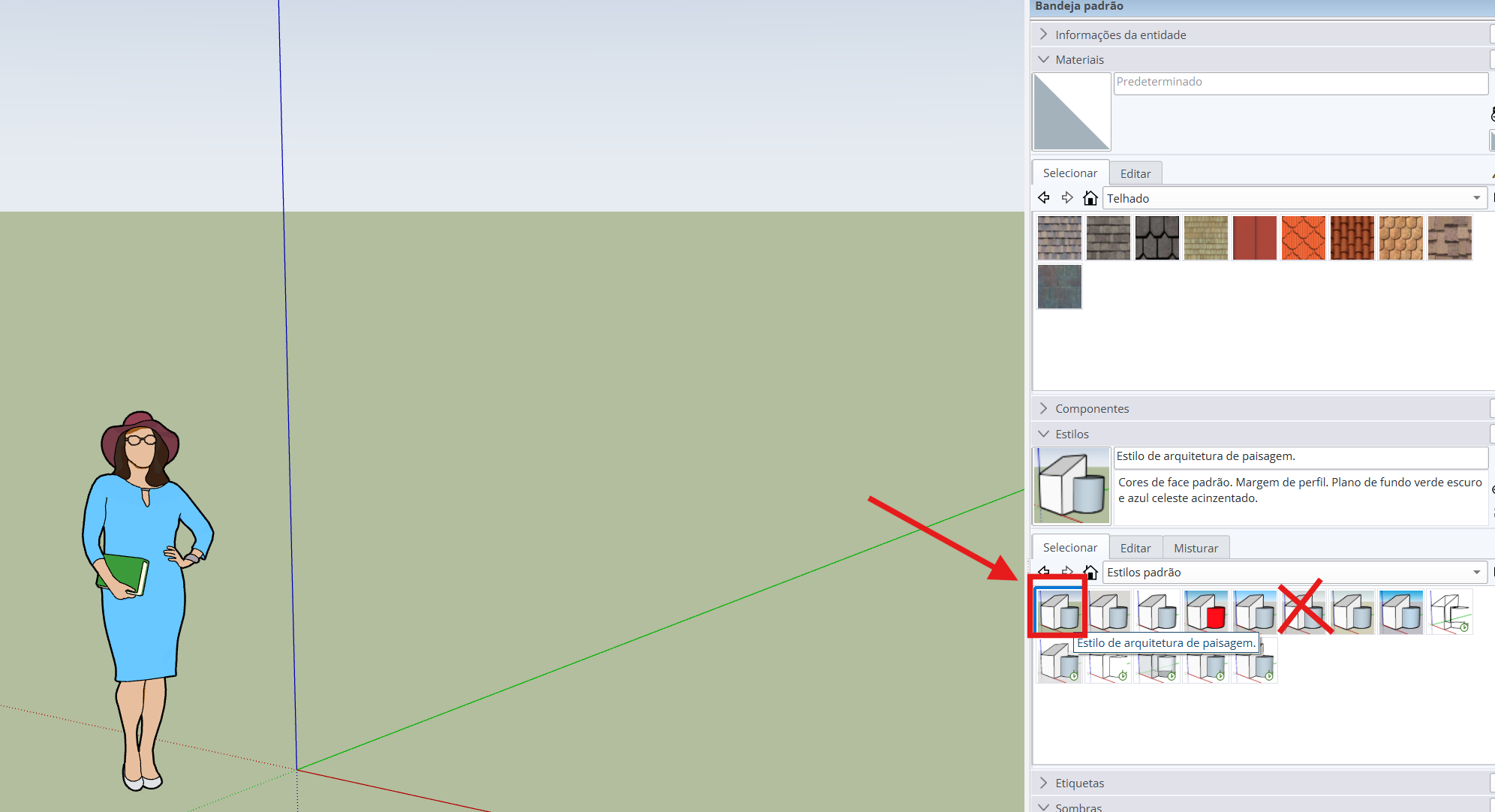
For exterior images, use the Architecture & Landscape style in SketchUp. This adds sky and grass to the scene, giving context that the AI will use in the final render.
Before:
After:
What really makes a difference: the 80/20 rule
A lot of people ask: if I only have time for one thing, what should I do?
In our tests, the order of impact is:
- 3D blocks and textures
- Camera angle
- Lighting
AI models have advanced a lot and can now better interpret scenes with poor lighting. But quality 3D blocks and correct textures remain the biggest differentiators in AI rendering.
If you could only do one thing, focus on modeling. Invest in courses, good blocks, and quality libraries. And think of the 3D model as input for the AI. If, while modeling, you already consider how the AI will interpret each element, your final render results will be much better.
These tips are practical, but be sure to check out the Redraw YouTube channel, where we publish tutorials focused on helping you render with AI and extract the best results.
Frequently asked questions
Do I need a render plugin to use AI in SketchUp?
No. With Redraw, you take a screenshot of your 3D model directly in SketchUp and upload it to the platform. It works 100% in the browser — no installation required.
Do these tips work only for SketchUp?
No. The logic of optimizing textures, camera angle, and lighting applies to any 3D software: Revit, ArchiCAD, Promob, Blender. The principle is the same.
How long does it take to optimize a 3D model for AI rendering?
It depends on the model, but the optimizations in this guide take between 5 and 15 minutes. It is a small investment that completely changes the result.
Can a simple 3D model produce a good AI render?
Yes, as long as it is well prepared. Correctly scaled textures, clean blocks, and a good camera angle make more of a difference than an ultra-detailed but messy model.
Does AI automatically fix 3D model errors?
Partially. The AI can compensate for poor lighting and add missing elements, but off-scale textures and deformed blocks will compromise the result. The better the input, the better the output.
Create a free Redraw account → redraw.pro
How to Choose Rendering Software for Architecture in 2026
Choosing rendering software in 2026 is different from choosing in 2023. Back then, the decision was between V-Ray, Lumion, or Enscape. Today, a third category has changed the game: AI rendering. If you are deciding right now which path to take, you need to understand the differences before spending money.
This article organizes the market into 3 categories, shows the real costs of each, and helps you decide based on your profile. No fluff.
The 3 rendering categories in 2026
The architecture rendering market has split into three worlds. Each with a different philosophy, different costs, and different results.
Category 1: Render Engines (traditional software with local GPU)
These are the softwares that dominated for decades. V-Ray, Corona Render, Lumion, Enscape, Twinmotion, D5 Render. Rendering happens on your machine, using your GPU or CPU.
How it works: you model in SketchUp, Revit, or ArchiCAD. Import into the rendering software (or use it as a plugin). Configure materials, lighting, camera, vegetation, people. Render. Wait. Adjust. Render again.
What they have in common: They require expensive hardware. An adequate machine costs between R$ 8,000 and R$ 30,000 depending on the software. Licenses range from US$ 360/year (D5 Render) to US$ 1,149/year (Lumion Pro). Rendering takes from 5 minutes to 8 hours depending on complexity. And all of them require a significant learning curve.
The fastest ones (Lumion, Enscape, Twinmotion, D5) deliver results in minutes but sacrifice quality. The renders look like a "game engine". Natural reflections are missing, lighting is simplified, materials look generic.
The highest-quality ones (V-Ray, Corona) deliver top-tier photorealism but take hours per image and require months of study to master. Most professionals using these softwares cannot extract maximum quality because they don't have time to configure everything correctly.
Real cost per year: R$ 5,000 to R$ 15,000 (software + amortized hardware).
Category 2: Render Farms (traditional cloud)
These are services like Fox Render Farm and GarageFarm. You upload your scene file and rendering happens on remote servers. Your machine stays free.
The problem: the workflow is the same as local rendering. You still configure everything manually. You still need to master the software. The only thing that changes is where the processing runs. In practice, a render farm adds complexity (upload, remote configuration, download) without eliminating any of the fundamental problems.
It charges by the hour of processing. Depending on the project, it can cost more than local rendering. It makes sense for those with extremely heavy scenes who need to free up their machine, but it doesn't solve the real bottleneck: setup time.
Real cost per year: variable, between R$ 2,000 and R$ 10,000+ depending on volume.
Category 3: AI Rendering (intelligent cloud)
This is where the market is heading. Instead of simulating light physics pixel by pixel, AI generates the image from understanding the scene context. It was trained on millions of real images and knows how architecture projects look when rendered.
How it works: you upload a screenshot of your 3D model. The AI identifies geometry, materials, and lighting. In 20 to 40 seconds, it delivers a photorealistic render. No configuration. No special hardware. Through the browser.
The fundamental difference: AI rendering eliminates setup. No material configuration. No lighting adjustment. No learning curve. The entire process, from click to result, takes less than 1 minute.
Real cost per year: from US$ 180/year (no extra hardware).
Full comparison table
| Criteria | Render Engine | Render Farm | AI Rendering (Redraw) |
|---|---|---|---|
| Time per image (total) | 30 min to 8 hours | 15 min to 4 hours | 20 to 40 seconds |
| Setup time | 1 to 4 hours | 1 to 4 hours (same setup) | Zero |
| Hardware required | Powerful GPU/CPU (R$ 8k-30k) | Any PC (upload/download) | Any PC with internet |
| Annual cost (software) | US$ 360 to US$ 1,149 | Variable (per hour) | From US$ 180 |
| Total annual cost (with hardware) | US$ 800 to US$ 2,500+ | US$ 350 to US$ 1,800+ | ~US$ 180 |
| Learning curve | Months to years | Same as render engine | Minutes |
| Maximum quality | Excellent (if mastered) | Same as render engine | Excellent (AI trained for arch.) |
| Average quality delivered | Mediocre (few master it) | Mediocre | High (consistent) |
| Quick variations | 30+ min each | 15+ min each | 30 sec each |
| Works on laptop/mobile? | No / No | Partially / No | Yes / Yes |
| Video generation | Some (Lumion, Twinmotion) | No | Yes (own model + Veo 3 + Kling) |
| 3D object generation | No | No | Yes (for SketchUp) |
Which one to choose? It depends on your profile.
Are you starting out in architecture or setting up a studio? AI rendering. No hardware investment, no months learning software, professional results from day one. Free trial on Redraw, no credit card required.
Do you already master V-Ray or Lumion and have your setup ready? Keep using it for projects that demand absolute control. But add AI rendering as a complement for quick variations and Enhance Render. The combination saves hours every week.
Do you need complex animations with frame-by-frame control? Traditional render engines still have the edge here. Lumion and Twinmotion for simpler animations, V-Ray for cinematic ones. But for presentation videos, AI already handles it with tools like Veo 3 and Kling integrated in Redraw.
Do you have extremely heavy scenes that crash any machine? A render farm solves the processing, but not the setup time. If the problem is your computer crashing, a render farm helps. If the problem is that it takes too long, AI rendering truly solves it.
Do you need to deliver fast and want zero complexity? AI rendering. Full stop. 30 seconds per image, unlimited variations, works on any machine.
Why the market is migrating to AI
It's not hype. It's math.
A 3-person studio with traditional software spends US$ 2,500+ per year on licenses and hardware. Spends 200+ hours per month on rendering and configuration. And most of the time, the result is mediocre because no one has time to configure everything perfectly.
The same studio with AI rendering spends ~US$ 540/year. Spends less than 1 hour per month on rendering. And the result is professional 100% of the time.
Traditional rendering had its time. It taught the market. But from 2026 onwards, maintaining a workflow that costs 5x more and delivers less became hard to justify.
Redraw is the platform leading this change. With proprietary AI models trained for architecture that outperform any generic AI, a hub of optimized AIs (ChatGPT, Gemini, Nano Banana), video generation, 3D objects, and Enhance Render. All for US$ 15/month.
Create a free Redraw account → redraw.pro
How Redraw Stood Out in the AI Race: Interview with Alexandre Kuhn, Co-Founder

Redraw is the largest AI rendering platform for architecture in Latin America. Over 200,000 registered professionals, more than 500,000 renders generated per month, winner of South Summit 2026 in the Digital & Tech Solutions category. And it all started in Brazil.
We sat down with Alexandre Kuhn, co-founder of Redraw, to talk about how the company got here, what sets their technology apart from the dozens of generic AIs that flooded the market, and where AI rendering is headed.
About Redraw's origins
How did the idea for Redraw come about?
In 2022, my partner Sergio Santos came to me showing some architecture images he was generating with AI. I was an architect, a marketer, and obsessed with building a SaaS company — so I wanted to launch this product with Sergio. We started developing the prototype. Early on it genuinely wasn't great, but AI was just getting started and everyone's output was rough. ChatGPT only knew how to complete words. Nano Banana didn't even exist.
After 5 months we managed to launch Redraw to a closed group of early users. 112 people signed up on launch day. We closed for a month, reopened, and sure enough: we ended the first month with 300 customers, the second with 600, the third with 1,200, the fourth with 2,500 — and kept going from there. Redraw kept growing, taking shape. Our product evolved, we launched new models, and we learned our customers' real pain points.
Most architects were using rendering software only superficially because they didn't have time to master it. When we saw the potential of generative AI for images, it was obvious this problem could be solved. It wasn't about building "yet another AI image tool." It was about building the AI that architects actually needed.
And a bit of background on me and Sergio: I'm from Cascavel, Paraná, Brasil, and he's from Paragominas, Pará, Brasil. How did we meet? Around age 15, we ended up in the same Counter-Strike match.
Why focus on architecture instead of generic AI?
It's simple. I graduated in architecture in early 2022. I was an architect living the architect's life. I saw an opportunity to make a difference in the field I studied. And Sergio knew me well enough to know we could launch a product in that space, since he was already working in marketing.
The beginning is always the beginning. That first year of Redraw was a crash course in business for us. We learned that what we think doesn't matter — what the client thinks does. We weren't starting in a competitive landscape, but we had a clear focus and a target audience. That's what led us to what Redraw is today.
We understood that the differentiator wasn't making beautiful images. It was making faithful images. And to do that, we had to train models specifically for architecture, engineering, and interior design. You can't adapt generic AI for that. You have to build from scratch.
About the technology
What sets Redraw apart from the other AIs that call themselves "for architecture"?
Proprietary models. That's the short answer.
What happened over the last two years is this: a wave of tools appeared that take the ChatGPT or Gemini API, put an interface on top, and sell it as "AI for architecture." No proprietary model. No investment in training. They're reselling generic AI with a markup. Some charge R$ 100 for 10 renders — R$ 10 per image that someone could generate directly in ChatGPT.
Redraw has a team of AI specialists working daily to develop and refine models trained exclusively for architecture. Millions of images of real projects. When these models go through benchmarks, they outperform any generic AI on project fidelity. Because that's what they were built for.
But you also integrate ChatGPT and other models inside Redraw. What's the difference?
The difference is we don't resell. We optimize.
ChatGPT inside Redraw is not the same ChatGPT you use on the OpenAI website. Our team prepared and tuned it to deliver results directed at architecture. Same with Nano Banana. Same engines, but tuned for our context.
And on top of all that, we have Redraw's own proprietary models, which outperform each of those when it comes to project rendering. Professionals can compare right inside the platform and see for themselves.
The idea is for Redraw to be a hub. You come in, you have access to the best AIs on the market, all optimized for architecture, and you also have our models, which are the most advanced for the sector. No need for 5 different subscriptions.
Redraw goes beyond static rendering. What else does the platform do?
Photorealistic rendering is the core, but the platform has evolved a lot. Today Redraw has its own video generation tool for architecture, plus integrations with Veo 3 and Kling AI. You render the image, like the result, and turn it into a video — all within the same platform.
There's also Enhance Render, which takes a render from any software (Lumion, V-Ray, Enscape, anything) and elevates the quality in 30 seconds. A lot of professionals use this as a complement to the workflow they already have.
And more recently: a proprietary 3D object generation model for SketchUp. Need a piece of furniture, a light fixture, or vegetation that's not in your library? Generate it in Redraw and import it into your model.
The vision is for Redraw to be the complete AI platform for design professionals. Not a tool that does one thing. Beyond being a complete platform, we want to be an ecosystem for architecture.
About the market and competition
The AI-for-architecture market has grown a lot. How do you see the competition?
Real competition is small. Most of the tools that appeared are API resellers, like I said. They don't invest in proprietary technology. When the API changes its pricing or policy, they break.
The "competitors" we actually respect are the traditional software providers: V-Ray, Lumion, Enscape. They built the rendering market. They did important work. But their model is becoming obsolete. Local rendering, heavy GPU, hours of configuration. In 2026, that's unsustainable when AI delivers results in 30 seconds.
Chaos Group itself — which owns V-Ray, Corona, and Enscape — noticed this. They acquired Veras trying to enter the AI space. But buying a weak-quality tool doesn't solve the underlying problem.
We do have good competitors in the market, but by staying focused and talking to our clients every day, we manage to stand out. On the market side, we have a strong global focus. Redraw is currently the largest AI software for architecture in Latin America, and we want to reach the global stage too.
In the end, after the launch of many AIs on the market, Redraw only grew. The main profile we see is the client who has already tried everything, thought they could manage on their own, and ended up at Redraw. Because Redraw is easy and built for architects.
What about generic AIs? ChatGPT, ComfyUI, Stable Diffusion?
They're great tools for other purposes. ChatGPT is incredible for text, code, and analysis. ComfyUI is powerful for developers who want full customization. But none of them were built to render architecture projects.
The architect who tries to use ChatGPT for rendering quickly finds out: the image looks good but it's not their project. The AI invents everything. And then they enter a prompt engineering loop that takes more time than configuring V-Ray.
We see a lot of professionals arriving at Redraw frustrated with generic AI. They tried ChatGPT, tried ComfyUI, spent hours on it, and the result wasn't fit to present to a client. On Redraw, in 30 seconds, with the first render, the reaction is completely different.
About South Summit and expansion
Redraw won South Summit 2026 in Porto Alegre. What did that mean?
Over 2,000 companies entered from around the world, 50 finalists across 5 categories. Winning in the Digital & Tech Solutions category was recognition that the problem we're solving has global relevance. We were alongside incredible companies that are becoming world references. Being able to present Redraw at that level was an honor.
But the most important part was what came after: international visibility, contact with investors and strategic partners, and validation that what we're building has the potential to scale globally. We're also heading to South Summit in Spain. We were invited to attend as guests — we didn't enter the competition, but the invitation came and now we're going.
Redraw is Brazilian. What's it like competing globally from Latin America?
We were born in a market where professionals work with limited resources. A laptop instead of a workstation. A tight budget. Deliverables needed yesterday. Building a tool that works in that context forced us to be efficient. Accessible pricing, lightweight platform, fast results.
When we take that to markets like the US and Europe, where professionals have more resources, Redraw makes an even stronger impression. Because if it works on an architect's laptop in Minas Gerais, it works anywhere in the world.
Today we have over 200,000 users, most in Brazil, but with growing presence in Mexico, Colombia, Argentina, Chile, the US, Canada, and Europe. The platform operates in Portuguese, English, and Spanish, with native support in each language.
We also noticed that international users are more open to AI. We feel the drive to innovate from that audience. They're more plugged in and push AI all the way.
Where does Redraw go from here?
AI for architecture is just getting started. In 2 years, what we deliver today will seem basic. Models will get more precise, video generation will evolve, and 3D generation will integrate directly into modeling software.
Redraw will keep leading that. With our own AI team, our own models, and listening daily to the 200,000 professionals who use the platform. Every piece of feedback, every render, every use case helps us improve.
The goal hasn't changed since day one: give architects time back to design. The render is not the final product. The project is. We take care of the image so the professional can focus on what matters.
We are becoming an ecosystem for architects. It's not just a tool that fits into the rendering process. In Redraw, the professional can execute everything from start to finish.
About those just starting out
What advice would you give to architecture, engineering, and design students?
Tough one. Actually, I'll leave a reflection — for newcomers and veterans alike.
Think about the student entering university this year. It'll take 4 to 5 years to graduate. How much will AI technology have evolved by then? It's almost scary. The generation entering school right now will graduate into a market they can't predict. Everything might have changed. AI might have replaced 90% of the architectural process. Where will those professionals fit in?
We don't know what the future looks like. But we do know this: the professionals entering university today won't need to render, generate videos, or even model. They'll need to be smart enough to do their work with AI.
And that's a wake-up call. If you're thinking right now that AI won't reach your work — you're wrong. We need to adapt, to deliver the best and fastest results for our clients. And AI is how many professionals will do that.
What advice would you give to an architect who still isn't using AI?
Try it. Create a free account on Redraw, upload a screenshot of one of your projects, and see the result. It's 10 credits, no credit card, no commitment. The whole process takes 2 minutes.
Most people who try it don't go back to the old workflow. Not because we convinced them with an argument. Because the result speaks for itself. 30 seconds, a professional render, in the browser. When you compare that to 4 hours in V-Ray or 2 hours in Lumion, the decision is obvious.
And you don't need to abandon what you already use. A lot of people start with Enhance Render to elevate what they already produce with Lumion or Enscape. Then they start testing direct rendering in Redraw. And at some point they realize they don't need the traditional software anymore.
Every professional moves at their own pace. The important thing is not to stand still while the market moves forward.

The AI ecosystem for architects








Some examples
Impressive results
These are some of the results that several of our clients have achieved using Redraw